skylar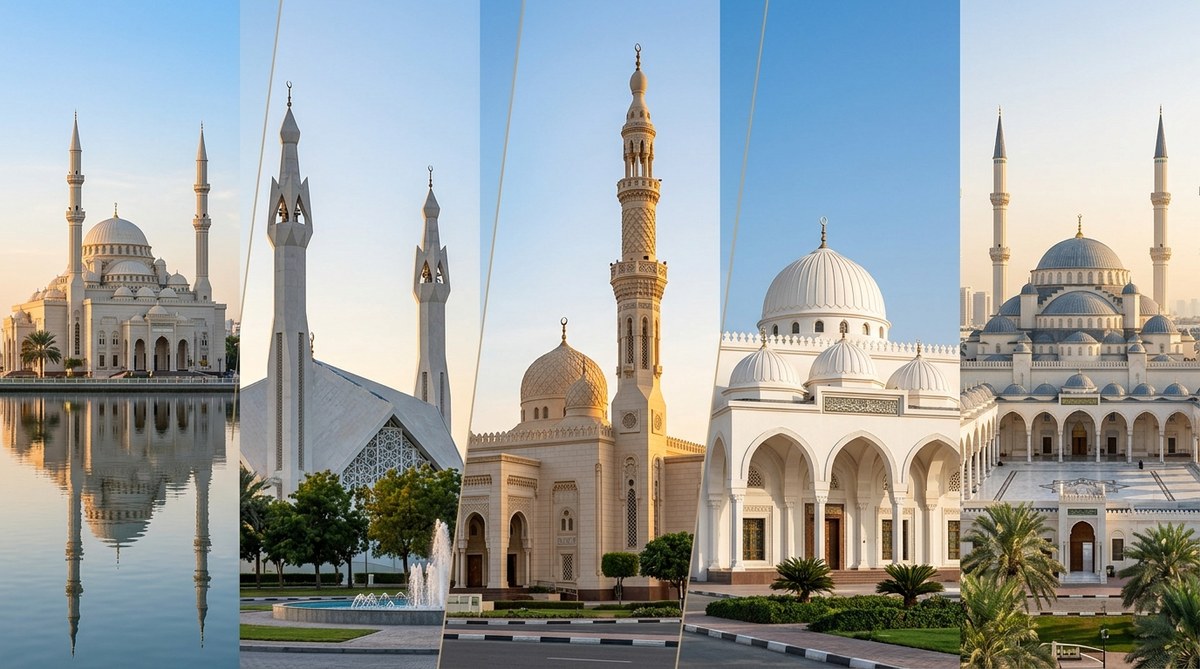
The call to prayer echoes across Sharjah’s skyline, and for a moment, the world feels still. Whether you are a traveler with a passion for Islamic design or someone who simply appreciates beautiful spaces, the mosques of Sharjah offer something rare. They blend faith, art, and history into structures that stop you in your tracks. I have spent time visiting each of these places, and I can tell you that the craftsmanship here rivals anything you will find in the region. The geometric patterns, the calligraphy, the play of light through stained glass … it all tells a story. If you are looking for the most beautiful mosques in Sharjah that showcase Islamic architecture, you have come to the right place. Let us walk through the ones that deserve a spot on your itinerary.
Sharjah is home to some of the UAE’s most breathtaking mosques, each offering a unique blend of architectural styles from Ottoman to Fatimid. Whether you visit the grand Sharjah Mosque with its 6000 worshipper capacity or the waterfront Al Noor Mosque inspired by Turkish design, you will find stunning photo opportunities and peaceful spaces. Plan your visits around prayer times for the best light and atmosphere.
What Makes Sharjah’s Mosques Stand Out
Sharjah takes its role as the cultural capital of the UAE seriously. The city invests heavily in architecture that reflects Islamic heritage while embracing modern techniques. Unlike the glass and steel towers you see in Dubai, Sharjah’s mosques feel grounded. They use local materials, traditional geometric patterns, and calligraphy that tells stories from the Quran.
Many visitors come expecting simple places of worship. They leave surprised by the scale of the detail. From hand carved marble to intricate chandeliers, every element has a purpose. The result is a collection of mosques that feel both sacred and welcoming to visitors of all backgrounds.
The Grand Sharjah Mosque
Let me start with the one that makes the biggest impression. The Sharjah Mosque, also known as the Sharjah Grand Mosque, sits on the outskirts of the city. It opened in 2019 and can hold around 6000 worshippers. That alone tells you about its scale.
The design draws from Ottoman and Andalusian influences. You will notice the massive central dome, which rises to a height of 50 meters. Around it, six smaller domes create a balanced silhouette. The two minarets stand at 70 meters tall, and you can see them from a distance.
Inside, the main prayer hall features a chandelier that weighs 12 tons. It is made of Swarovski crystals and gold leaf, and it hangs over a carpet that took months to weave. The carpet itself is one of the largest in the world, with intricate floral patterns that match the dome’s interior design.
For photographers, the best time to visit is just before sunset. The golden light hits the white marble facade and creates a warm glow. The reflection pools around the building add another layer to your shots.
Tip from a local guide: “Visit on a Friday morning if you want to hear the full call to prayer from inside. The acoustics in the main hall are incredible. Non Muslims are welcome outside prayer times, but dress modestly and remove your shoes before entering.”
Al Noor Mosque: An Ottoman Treasure on the Waterfront
If you have seen photos of Sharjah’s skyline, you have probably seen Al Noor Mosque. It sits along the Khalid Lagoon, and its design is directly inspired by the Blue Mosque in Istanbul. The same cascading domes, the same slender minarets, the same sense of graceful proportion.
Al Noor Mosque was built in 2005 and has become one of the most photographed landmarks in the city. It uses white limestone, which gives it a clean, timeless look. At night, the mosque is lit with soft lights that reflect on the water of the lagoon.
The interior is just as impressive. Stained glass windows filter the sunlight into colored patterns on the marble floor. The mihrab, which indicates the direction of Mecca, is decorated with hand painted tiles. The carpet inside has a repeating floral motif that guides your eye toward the front of the hall.
One thing I love about Al Noor is its location. You can combine a visit here with a walk along the Al Qasba canal. There are cafes and restaurants nearby, so you can sit with a cup of karak chai and watch the sunset paint the mosque in orange and pink.
King Faisal Mosque: A Modernist Marvel
King Faisal Mosque is one of the largest mosques in the UAE, with a capacity of around 15,000 worshippers. It was a gift from the late King Faisal of Saudi Arabia, and it opened in 1987. The architecture here is more modernist than the other mosques on this list.
The design avoids the traditional dome heavy silhouette. Instead, it uses a massive rectangular prayer hall with a flat roof. The minarets are tall and slim, rising like needles against the sky. The exterior is clad in white marble with subtle geometric patterns carved into the surface.
Inside, the prayer hall feels vast. The ceiling is high, and the lighting is designed to feel soft and diffused. The carpet is a deep red with geometric patterns that contrast with the white walls. The mihrab area features intricate calligraphy in gold leaf.
King Faisal Mosque is located near the University of Sharjah, which makes it a popular spot for students and faculty. The atmosphere here feels more academic and quiet compared to the tourist friendly mosques in the city center.
For architecture enthusiasts, this mosque offers a great example of how Islamic design can adapt to modernist principles. It is less ornate than Al Noor or the Grand Mosque, but it has a power that comes from its scale and simplicity.
University City Mosque: Where Tradition Meets Innovation
The University City Mosque, located within the University of Sharjah campus, is a newer addition to the city’s architectural landscape. It opened in 2015 and represents a fusion of traditional Islamic elements with contemporary design.
The mosque features a large central dome that is ribbed on the outside, giving it a sculptural quality. The minarets are designed with geometric cutouts that create interesting shadow patterns throughout the day. The exterior uses a mix of white marble and local stone, which helps it blend with the surrounding campus buildings.
Inside, the calligraphy is the standout feature. Verses from the Quran are inscribed in a modern Thuluth script that wraps around the walls and the dome’s base. The chandeliers are made of etched glass, and they cast intricate patterns on the walls when lit.
What makes this mosque special is the way it interacts with its environment. The campus setting means it is surrounded by green spaces and walkways. You can sit on the grass outside and watch students move between classes. The atmosphere is lively during the day and peaceful in the evenings.
If you are visiting as a family, this mosque is a great choice. The surrounding university grounds have plenty of space for children to run around, and there are cafes and bookshops within walking distance.
How to Plan Your Mosque Visits
To make the most of your time, follow this simple process.
-
Check the visiting hours online before you go. Most mosques in Sharjah are open to non Muslims between 9:00 AM and 12:00 PM, and then again from 2:00 PM to 4:00 PM. Avoid visiting during prayer times, which change daily.
-
Dress appropriately. Women should cover their hair, arms, and legs. Men should wear long trousers and cover their shoulders. Many mosques provide abayas and scarves at the entrance, but it is better to come prepared.
-
Remove your shoes before entering the prayer hall. Most mosques have shoe racks near the entrance. Some provide plastic bags so you can carry your shoes with you.
-
Stay quiet inside the prayer hall. Even if no one is praying, the space is still considered sacred. Avoid loud conversations and phone calls.
-
Take photos without flash. Most mosques allow photography, but flash can damage delicate textiles and disturb other visitors. Use natural light or a low ISO setting.
What to Bring for the Best Experience
Here is a list of items that will make your visit smoother and more enjoyable.
- A scarf or shawl for covering your head (for women)
- Long pants or a long skirt for both men and women
- A water bottle, especially in the summer months
- A camera with a wide angle lens for interior shots
- A small bag to carry your shoes
- A notebook if you want to sketch or write about the architecture
Comparing the Mosques: A Handy Table
| Mosque | Year Opened | Architectural Style | Capacity | Best For |
|---|---|---|---|---|
| Sharjah Mosque | 2019 | Ottoman / Andalusian | 6,000 | Grand scale and chandelier |
| Al Noor Mosque | 2005 | Ottoman (Turkish) | 2,000 | Waterfront photography |
| King Faisal Mosque | 1987 | Modernist | 15,000 | Scale and simplicity |
| University City Mosque | 2015 | Contemporary Islamic | 3,000 | Calligraphy and campus vibe |
When to Visit for the Best Light
Light changes everything in mosque photography. The way sunlight hits marble, the way shadows fall across geometric patterns, the way stained glass glows from within.
For exterior shots, visit in the late afternoon. The golden hour, which is roughly one hour before sunset, gives you warm light that makes white marble look almost pink. The reflection pools at the Sharjah Mosque and the lagoon at Al Noor Mosque add mirror effects during this time.
For interior shots, mid morning is best. The sun is high enough to stream through windows and skylights, creating patterns on the floors and walls. Avoid midday when the light is harsh and creates strong contrast.
If you want to capture the mosques at night, bring a tripod. The artificial lighting is designed to highlight the architecture, and long exposures will give you crisp, vibrant images.
A Deeper Look at the Craftsmanship
The most beautiful mosques in Sharjah share a few things in common. They all use high quality materials, from Italian marble to Egyptian glass. They all employ skilled artisans who understand traditional techniques. And they all integrate calligraphy as a central design element.
Calligraphy in Islamic architecture is not just decoration. It is a way of preserving and displaying the words of the Quran. At the University City Mosque, you can see verses written in a flowing script that wraps around the dome. At the Sharjah Mosque, the calligraphy is carved into marble panels and highlighted with gold leaf.
Geometric patterns are another key feature. Islamic art avoids figurative imagery in religious contexts, so artists developed complex geometric designs that symbolize infinity and the unity of God. You will see these patterns in the tile work, the carpet designs, and the carved wood details.
The use of water is also intentional. Reflecting pools, fountains, and canals are common in Islamic gardens and architecture. They represent purity and life, and they also help cool the air around the building. The Sharjah Mosque uses multiple reflection pools to create a sense of calm before you even step inside.
How to Combine Mosque Visits with Other Activities
A trip to see the most beautiful mosques in Sharjah does not have to be a standalone outing. You can easily combine it with other experiences.
Start your morning at Al Noor Mosque, then walk along the Al Qasba canal. There are several cafes where you can have breakfast with a view of the water. After that, head to the Sharjah Art Museum or the Sharjah Museum of Islamic Civilization, both of which are a short drive away.
For lunch, try one of the traditional restaurants in the Al Shuwaihiyan area. You can get fresh seafood, grilled meats, and Emirati dishes like machboos and harees. The food scene in Sharjah is underrated, and you will find excellent options at reasonable prices.
In the afternoon, visit the Sharjah Mosque or King Faisal Mosque. Both are located a bit outside the city center, so you will need a car or a taxi. Plan to spend about 45 minutes to an hour at each site.
If you have more time, consider visiting the Al Qasba Mosque as well. It is smaller than the others, but it has a modern design that contrasts nicely with the traditional styles of the other mosques.
For a full day itinerary, check out our guide on The Perfect 3-Day Itinerary for First-Time Visitors to Sharjah. It includes mosque visits along with cultural stops and meal recommendations.
Photography Tips for Mosque Interiors
Getting great photos inside a mosque requires some planning. Here are a few tips that will help you capture the beauty without disturbing others.
Use a wide angle lens if you have one. Mosque interiors are large, and a standard lens will not capture the full scale of the space. A 16mm or 24mm lens works well.
Set your ISO to 800 or higher. Most mosques have dim lighting, and a higher ISO will let you shoot without a tripod. Modern cameras handle noise well at ISO 1600.
Turn off your flash. Not only is it distracting, but it also creates harsh shadows and washes out colors. Rely on natural light and the ambient lighting inside.
Look for symmetry. Mosque interiors are designed with symmetry in mind. Center your shot on the mihrab or the chandelier, and use the lines of the carpet and columns to guide the viewer’s eye.
Include people for scale. A photo of an empty mosque can feel flat. Wait for someone to walk through the frame, or include a worshipper in the foreground. This gives the viewer a sense of the size of the space.
For more Instagram worthy spots in the city, read our post on 10 Instagram-Worthy Spots in Sharjah for Your Next Post. It covers both mosques and other photogenic locations.
What First-Time Visitors Often Miss
First time visitors to Sharjah’s mosques tend to focus on the obvious features: the domes, the chandeliers, the carpets. But there is so much more to notice.
Look at the doors. Many mosque doors are made of carved wood with brass inlays. The patterns are often geometric, and the craftsmanship is stunning.
Notice the ventilation. Traditional mosque design includes natural ventilation systems that keep the interior cool without air conditioning. You will see vents, lattices, and wind towers that channel air through the building.
Pay attention to the flooring. The marble floors in Sharjah’s mosques are often laid in geometric patterns that match the ceiling designs. The alignment is precise, and the effect is mesmerizing when you look down.
Check the lighting fixtures. The chandeliers and wall sconces are not just functional. They are designed to distribute light evenly and to create a warm, welcoming atmosphere. The Sharjah Mosque chandelier is the most famous, but the smaller mosques have beautiful fixtures too.
Read the plaques. Many mosques have information boards near the entrance that explain the architectural features and the history of the building. Take a moment to read them. They add context to what you are seeing.
The Role of Mosques in Sharjah’s Cultural Identity
Sharjah is known as the cultural capital of the UAE, and its mosques are a big part of that identity. The city has invested heavily in preserving Islamic architecture while also encouraging modern interpretations. This balance between tradition and innovation is something you can see clearly in the mosques.
The government of Sharjah has also made an effort to welcome visitors. Many mosques have guided tours in English, and the staff are used to questions from non Muslims. This openness makes it easier for travelers to appreciate the architecture without feeling out of place.
If you are interested in the broader cultural context, we have a guide on Discover the Hidden Gems of Sharjah’s Cultural Scene that covers museums, galleries, and heritage sites beyond the mosques.
Your Mosques Roadmap for 2026
If you are planning a trip to Sharjah this year, here is a suggested order for visiting the mosques, based on location and timing.
Start at Al Noor Mosque in the morning. The light is good for photos, and the lagoon adds a nice backdrop. Have breakfast at a nearby cafe.
Drive to King Faisal Mosque next. It is about 15 minutes away. Spend 30 to 40 minutes here, focusing on the modernist details and the scale of the prayer hall.
Head to University City Mosque for lunchtime. The campus area has several food options, and the mosque is less crowded during the middle of the day.
Finish with the Sharjah Mosque in the late afternoon. The golden hour light here is spectacular, and the reflection pools will give you some of the best photos of your trip.
If you are on a tight schedule, you can visit Al Noor and the Sharjah Mosque in one afternoon. The other two are worth seeing, but these two are the standouts.
For budget travelers, we have tips on How to Plan a Budget-Friendly Trip to Sharjah in 2026. It covers transportation, food, and accommodation options that save money without sacrificing experience.
Respectful Visiting: What You Should Know
Visiting a mosque is a privilege, and it comes with responsibilities. The most important rule is to respect the space and the people who use it for worship.
Do not enter during prayer times unless you are there to pray. If you are not Muslim, wait until the prayer is over before going inside. Most mosques post their prayer schedules at the entrance.
Keep your voice low. The prayer hall is a quiet space, and loud conversations can disturb others. If you need to take a phone call, step outside.
Do not touch the Quran or other religious objects unless you are invited to. These items are considered sacred, and handling them without permission is disrespectful.
Ask before taking photos of people. Some worshippers may not want to be photographed. A simple smile and a nod go a long way.
Follow the dress code. Women must cover their hair, arms, and legs. Men must wear long trousers and cover their shoulders. If you forget, most mosques have loaner scarves and abayas.
Why Sharjah’s Mosques Deserve Your Time
You could easily spend a week in Sharjah and still not see everything. But the mosques deserve a top spot on your list. They represent the best of Islamic architecture, from the grand to the intimate, from the traditional to the modern. They offer quiet moments of reflection in a busy world. And they remind us that beauty and faith can coexist in the same space.
I have visited each of these mosques multiple times, and every time I notice something new. A detail in the tile work. A shadow that I missed before. A verse of calligraphy that speaks to me in a different way. That is the magic of these places. They reward repeated visits.
If you are planning a trip to Sharjah, make time for these mosques. You will leave with more than just photos. You will leave with a deeper appreciation for the artistry and devotion that went into building them.
Practical Reminders for Your Visit
Keep these points in mind as you plan your trip.
- Most mosques are closed to visitors during Friday prayers (12:00 PM to 2:00 PM).
- Summer temperatures can exceed 45 degrees Celsius. Visit early in the morning or after 4:00 PM.
- Taxis are widely available and affordable. A ride from the city center to the Sharjah Mosque costs around 30 AED.
- Public transport is limited. Renting a car gives you more flexibility.
- Bring cash for donations. Some mosques have donation boxes for maintenance and community programs.
For a full list of family friendly things to do in Sharjah, including parks, museums, and beaches, see our guide on Top Family-Friendly Activities to Enjoy in Sharjah This Year.
The Beauty You Will Carry Home
The most beautiful mosques in Sharjah are not just buildings. They are experiences. The kind that stay with you long after you have left. I still remember the first time I walked into the Sharjah Mosque and looked up at that chandelier. It felt like the ceiling had opened up to reveal something infinite. That is the feeling I hope you will find when you visit.
Take your time. Sit on the carpet. Look at the patterns. Read the calligraphy. Listen to the silence. These mosques were built with care and intention, and they deserve to be seen the same way.
When you are ready to plan your trip, start with the mosque that speaks to you most. Let your curiosity guide you. And if you have questions, ask the locals. They are proud of these spaces, and they love sharing them with visitors.
Enjoy your journey through Sharjah’s sacred architecture. It is one of the most rewarding experiences this city has to offer.