skylar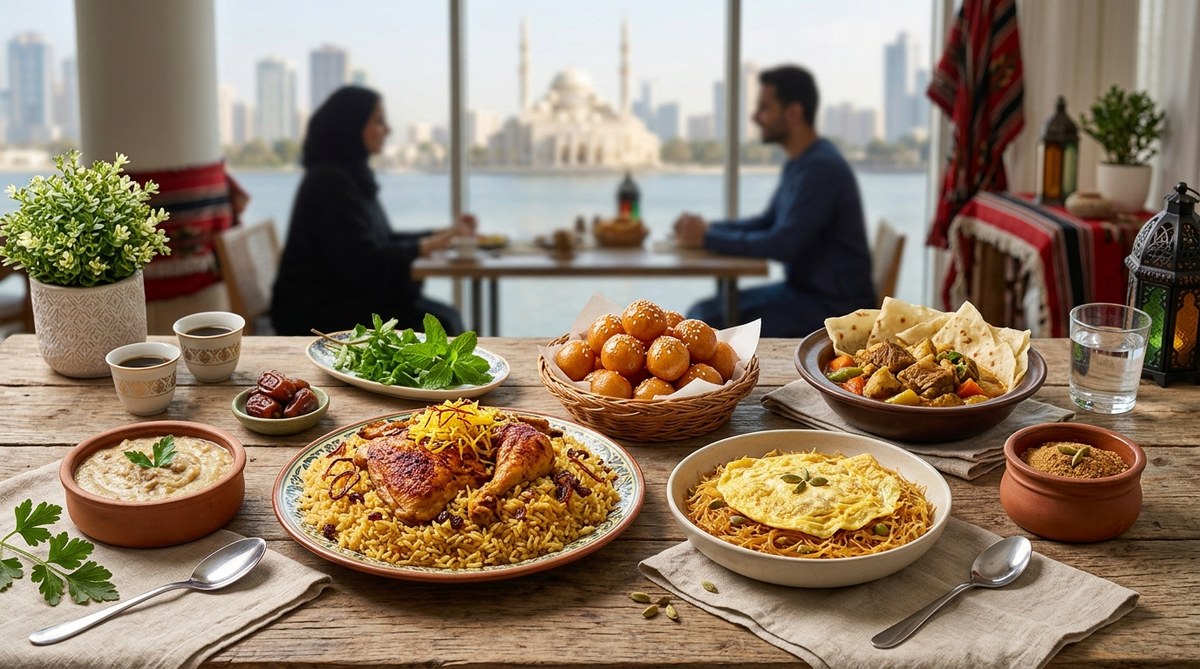
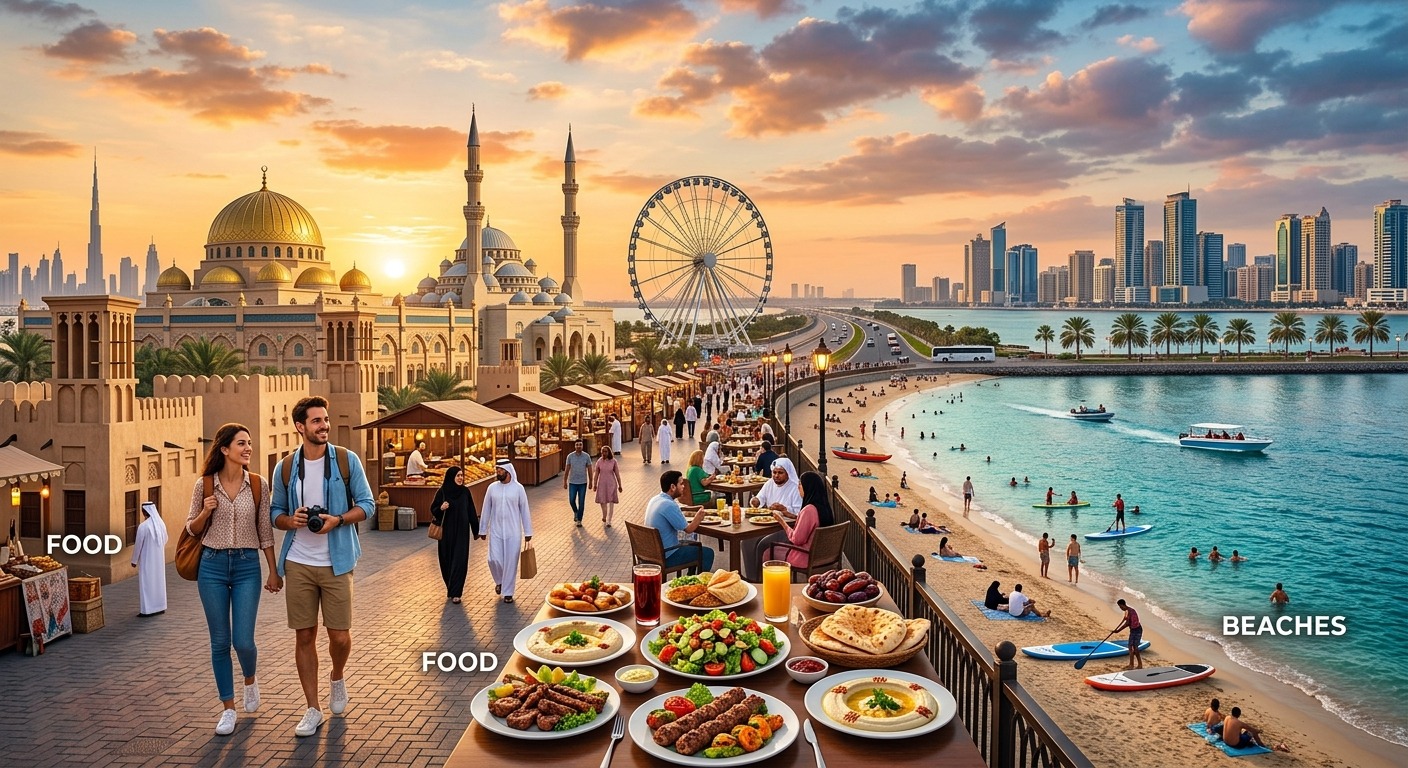
Sharjah is often called the cultural capital of the UAE. But its food scene is just as rich as its museums and heritage sites. Emirati cuisine is a story of the desert, the sea, and the souk. It blends spices from ancient trade routes with humble Bedouin cooking. For a tourist or a foodie looking for real local flavours, Sharjah is the place to be.
You will find dishes that have been cooked for generations. Some are slow cooked overnight. Others are spiced with saffron and cardamom. Every bite tells a story. Whether you are visiting the Al Qasba area or walking through the traditional Heart of Sharjah, the smells of grilled meat and perfumed rice will guide you.
This article covers the essential Emirati dishes you should try in Sharjah. We will tell you what to expect, where to find them, and how to enjoy them like a local. Use this as your personal food companion for a trip that tastes as good as it looks.
Emirati cuisine in Sharjah is a gateway to the UAE’s heritage. You will taste slow-cooked meats, fragrant rice, and sweet desserts made with dates and saffron. Dishes like harees, machboos, and luqaimat are must tries. For the best experience, visit traditional eateries in the Heart of Sharjah and follow the steps we share. Your taste buds will thank you.
What Makes Emirati Cuisine Special
Emirati food is not just about eating. It is about hospitality. When a local invites you for a meal, they go all out. The table is covered with platters of meat, rice, and bread. There is always a pot of Arabic coffee or tea.
The foundation of these dishes comes from the land and the sea. Long before the UAE was a trading hub, Bedouins relied on dates, camel milk, and dried meat. Fishermen on the coast cooked fresh fish with turmeric and lemon. Traders brought spices like cinnamon, cardamom, and saffron from India and Zanzibar. Over centuries, these influences merged into a unique kitchen.
Today you will find Emirati food in family homes, in small cafeterias, and in high end restaurants. In Sharjah, the connection to tradition is stronger than in many other cities. That is why food lovers come here to taste the real thing.
Six Emirati Dishes You Can’t Miss in Sharjah
We have picked six iconic dishes that represent the best of Emirati cooking. Each one has its own character. Each one is worth a trip to Sharjah.
1. Harees
Harees is the ultimate comfort food. It is a simple porridge of wheat and slow cooked meat, usually chicken or lamb. The grains and meat are boiled together for hours until they become a smooth, creamy paste. A little salt and a dollop of ghee are all that is needed.
Harees is often served during Ramadan and at weddings. But you can find it all year round in Sharjah. The dish is mild but deeply satisfying. If you want something gentle on the stomach after a day of travel, this is your choice.
2. Machboos
Machboos is the national rice dish of the UAE. It is similar to biryani but uses a different blend of spices. The rice is cooked with meat or seafood, onions, tomatoes, and a special mix called loomi (dried lime). The result is fragrant, slightly tangy, and intensely flavorful.
In Sharjah, many restaurants serve machboos with chicken, lamb, or shrimp. The meat is tender and falls off the bone. Eat it with your right hand if you can, using the rice to scoop up the meat. It tastes even better that way.
3. Thareed
Thareed is a bread and meat stew that has been around for centuries. A thin flatbread called regag is broken into pieces and soaked in a rich broth of lamb or chicken, vegetables, and spices. The bread absorbs the liquid and becomes soft like dumplings.
This dish is famous for being a favorite of the late Sheikh Zayed. It is hearty and filling. You will find thareed in many traditional restaurants in Sharjah, especially during the cooler months.
4. Margoogah
Margoogah is a thick vegetable and meat stew. The name means “a little bit of this and that”, which is exactly how it is made. Cooks throw in pumpkin, potatoes, carrots, and bell peppers, plus chunks of meat, and simmer everything until it becomes a saucy, chunky meal.
It is served with extra bread to dip. Margoogah is comfort in a bowl. It is not as well known as machboos, but locals in Sharjah love it.
5. Luqaimat
Time for dessert. Luqaimat are deep fried dumplings made from flour, yeast, and a pinch of saffron. They are golden brown on the outside and light and airy inside. After frying, they are soaked in date syrup (dibs) and sprinkled with sesame seeds.
You will find these sweet treats in nearly every Emirati restaurant in Sharjah. Some places serve them with a drizzle of chocolate or a scoop of ice cream. But the classic version is still the best.
6. Chabab
Chabab are Emirati pancakes. They are thicker than regular crepes and flavored with cardamom, saffron, and sometimes rose water. They are usually served for breakfast or as a snack with something on top.
In Sharjah, chabab often comes with a layer of cheese, a drizzle of honey, or a side of boiled egg. They are soft, spongy, and slightly sweet. Great for a morning bite before you head out to explore the city.
For a deeper dive into where to find these dishes, check out our guide on discovering the best traditional eateries in Sharjah for authentic Emirati flavours.
How to Order Emirati Food Like a Local
If you are new to this cuisine, the menu can be confusing. But do not worry. Use this simple step by step process to order a satisfying meal.
-
Start with dates and coffee. Many restaurants begin your meal with a small plate of dates and a cup of Arabic coffee (gahwa). The coffee is flavored with cardamom and sometimes saffron. Drink it slowly. It is meant to be sipped.
-
Share the dishes. Emirati dining is communal. Order one or two mains for the table. Machboos and thareed are perfect for sharing. Ask for a side of salad or yogurt.
-
Eat with your hands if you can. Use your right hand. Fold the bread or rice around the meat and bring it to your mouth. It is respectful and part of the experience.
-
Finish with luqaimat and tea. Dessert is almost mandatory. A plate of luqaimat and a cup of karak chai (strong milk tea) ends the meal on a sweet note.
-
Tip politely. Service is usually included, but a small tip for good service is appreciated.
This approach works in almost any traditional restaurant in Sharjah.
Common Ingredients in Emirati Cooking
Understanding the ingredients helps you appreciate the food more. Here is a table of the main elements you will encounter.
| Ingredient | Flavour Profile | Common Dishes |
|---|---|---|
| Saffron | Floral, earthy, luxurious | Rice dishes, desserts, coffee |
| Cardamom | Aromatic, slightly sweet | Coffee, meats, sweets |
| Loomi (dried lime) | Tangy, citrusy | Machboos, stews |
| Cinnamon | Warm, sweet | Rice, meat marinades |
| Rose water | Fragrant, floral | Desserts, pancakes |
| Dates | Sweet, caramel | Desserts, snacks |
| Camel meat | Lean, gamey | Grilled dishes, harees (variant) |
| Seafood (hamour, kingfish) | Mild, firm | Machboos samak (fish rice) |
Each ingredient plays a role. Saffron adds color and aroma. Loomi cuts the richness of the meat. Dates provide natural sweetness. Together, they create a balanced cuisine that is both aromatic and satisfying.
Expert Tip: “For the most authentic Emirati meal in Sharjah, head to the restaurants inside the Heritage Area near the Heart of Sharjah. These places still cook using traditional methods over wood fires. The harees from Al Maha Restaurant takes ten hours to prepare. Ask for it in advance.” Local food guide, Ahmed Al Ali
Plan Your Emirati Food Adventure in Sharjah
To make the most of your food trip, keep these tips in mind.
- Best time to visit: October to April. The weather is cooler, and you can enjoy outdoor seating.
- Reservations: For popular restaurants, book ahead, especially on weekends.
- Dress code: Casual is fine. But avoid sleeveless tops or shorts in very traditional eateries.
- Spice level: Emirati food is mild to moderate. If you like heat, ask for a side of hot sauce (shata).
- Vegetarian options: Limited but available. Look for vegetable thareed, cheese chabab, and fresh salads.
- Budget: A full meal for one person costs around 30 to 70 AED at a mid range restaurant. High end places can go up to 150 AED.
If you are planning a full trip, you might also want to read about top family-friendly activities to enjoy in Sharjah this year or how to plan a budget-friendly trip to Sharjah in 2026. Both will help you balance food with sightseeing.
Taste the Heritage: Your Next Meal in Sharjah
Emirati dishes in Sharjah are not just meals. They are memories in the making. The generosity of portions, the warmth of the spices, and the tradition behind each recipe will stay with you long after you leave.
Your next trip to Sharjah has a new mission. Try harees at a family run restaurant. Share a plate of machboos with friends. Finish with luqaimat dipped in date syrup. You will see why the UAE’s culinary heritage is so cherished.
Pack your appetite and come hungry. The flavours of Sharjah are waiting.