skylar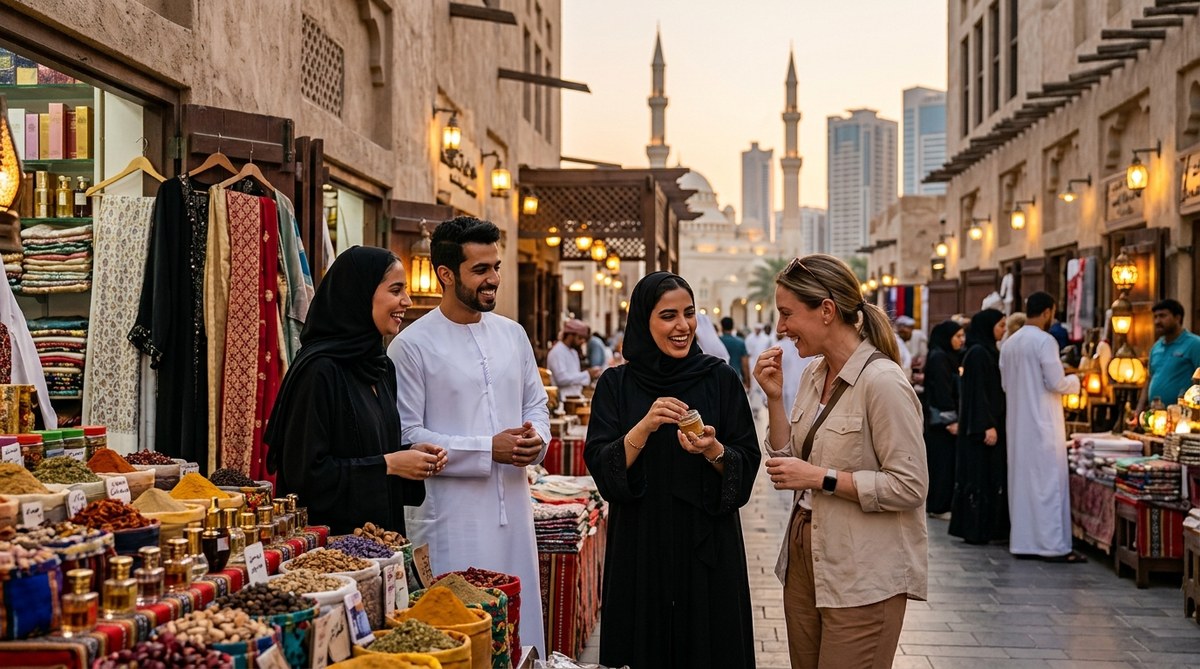
Sharjah holds a special place in the UAE. It is the country's cultural heart, a place where tradition and modernity meet without losing sight of the past. But if you only visit the big malls and the most famous museums, you are missing the real Sharjah. The version that locals live every day. The one that reveals itself in quiet corners, busy souqs, and family run cafes. This guide is for the traveler who wants more than a checklist. It is for someone who wants to feel the city, not just see it.
This guide shows you how to see Sharjah through local eyes in 2026. From hidden coffee spots in Al Qasba to weekend souqs where Emirati families shop, you will find authentic experiences beyond the typical guidebooks. Learn which museums deserve your time, where to eat traditional Emirati dishes, and how to navigate the city like a resident. Your trip will feel richer and more meaningful because of these insider tips and local knowledge gained.
Why Sharjah in 2026 Deserves More Than a Day Trip
Many visitors treat Sharjah as a stopover between Dubai and the northern emirates. That is a mistake. In 2026, Sharjah continues to grow as a center for art, heritage, and thoughtful urban living. The city has invested heavily in cultural spaces, pedestrian friendly areas, and community focused events. The result is a destination where you can spend three or four days and still feel like you barely scratched the surface.
The local rhythm here is different. It is slower, more intentional. People gather in the evenings along the water. Families picnic in public parks until late. Friends meet for card games at pavement cafes. To experience Sharjah like a local, you need to match this pace. Rush through and you will miss the point.
Start Your Day Where Locals Do
Forget the hotel buffet for one morning. Head to a small cafeteria in Al Majaz or Al Qasba. Locals start their day with karak chai, a spiced milk tea that is stronger and sweeter than what you find elsewhere. Pair it with a cheese samboosa or a slice of zaatar manakish from a nearby bakery.
The best karak spots are unpretentious. You order at the counter, pay a few dirhams, and stand outside with everyone else. It is a social ritual. People chat, check their phones, and watch the morning light hit the waterfront. If you want to feel like a resident, this is your first step.
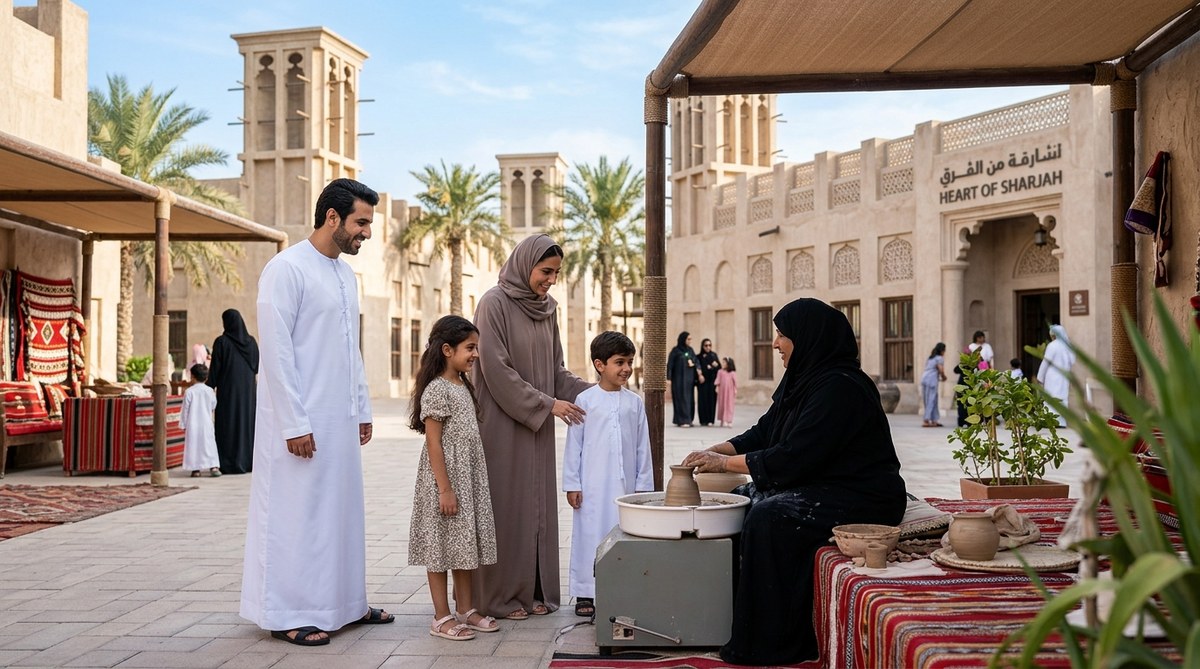
For a heartier breakfast, try a local restaurant serving balaleet, sweet vermicelli noodles topped with a fried egg, or chami, a type of Emirati cheese. These dishes are not common on tourist menus, but they are staples in local homes. You can find them in the Heart of Sharjah district, where the old city has been carefully restored.
Where Locals Go for Culture, Not Just Museums
Sharjah has world class museums. The Sharjah Museum of Islamic Civilization and the Sharjah Art Museum are both excellent. But locals also visit smaller, less crowded spaces that offer a more personal connection to the culture.
One such place is the Bait Al Naboodah, a restored pearl merchant's house in the Heart of Sharjah. It shows you what life looked like before air conditioning and skyscrapers. The wind towers, the courtyard layout, the simple furniture. It feels real, not staged.
Another favorite is the Sharjah Calligraphy Museum, tucked inside a traditional house near the Corniche. It is small, quiet, and full of beautiful work. Many locals bring their children here on Friday mornings to learn about Arabic script. If you time your visit right, you might even catch a live demonstration.
For contemporary art, skip the big galleries and head to the Sharjah Art Foundation spaces scattered around the old city. They are free, often empty on weekdays, and feature emerging artists from the region. The foundation also hosts outdoor film screenings and music nights during the cooler months. Check their schedule before you visit.
"The best way to understand Sharjah is to walk through its old neighborhoods without a plan. Stop when something catches your eye. Talk to the shopkeepers. They will tell you stories no guidebook can match." — Ahmed Al Suwaidi, local historian and guide
Lunch That Tastes Like Home
Tourists often end up at hotel restaurants or chain cafes. Locals eat at family run spots where recipes have been passed down for generations. Here are a few places that residents actually recommend to their friends.
| Tourist Route | Local Alternative |
|---|---|
| Buffet lunch at a five star hotel | Home style meal at Al Fanar or Al Khayam |
| Burger at a global chain | Fresh grilled fish at a resthouse in Al Khan |
| Coffee at a branded cafe | Karak chai at a small cafeteria in Al Majaz |
| Guided museum tour with a group | Self guided walk through the Heart of Sharjah |
For a truly local lunch, order machboos, spiced rice with lamb or chicken, or harees, a slow cooked wheat and meat dish. These are Friday lunch classics for Emirati families. Many small restaurants in the Al Shuwaheen area serve them daily. The portions are generous, the prices are low, and the hospitality is warm.
If you prefer something lighter, try a local juice bar. Fresh sugarcane juice, mixed with ginger and lime, is a popular afternoon pick me up. You will find juice stalls near the Souq Al Arsah and along the Corniche.
Afternoon Wanderings Off the Path
The afternoon in Sharjah is best spent walking. Not along the main roads, but through the narrow alleyways of the old neighborhoods. The area around the Heart of Sharjah is perfect for this. You will find old mosques, restored houses, and small craft workshops.
Stop by the Souq Al Arsah, one of the oldest markets in the UAE. It is not a tourist trap. Locals still shop here for textiles, spices, and perfumes. The shopkeepers are happy to chat and let you sample their goods. Take your time. Bargaining is expected, but keep it friendly.
If you need a break from the heat, step into a local bookstore. Kalimat Group in Al Qasba has a great selection of Arabic and English titles. Many locals spend their Friday afternoons here, browsing and sipping coffee. It is a quiet, unhurried way to experience the city.
For those who want to see something unexpected, head to the Sharjah Desert Park. It is on the outskirts of the city, but locals love it for evening walks. The Arabian Wildlife Centre inside the park is a hit with families. It houses animals native to the region, including the endangered Arabian leopard. The park stays open late during the winter months.
Evening as the City Comes Alive
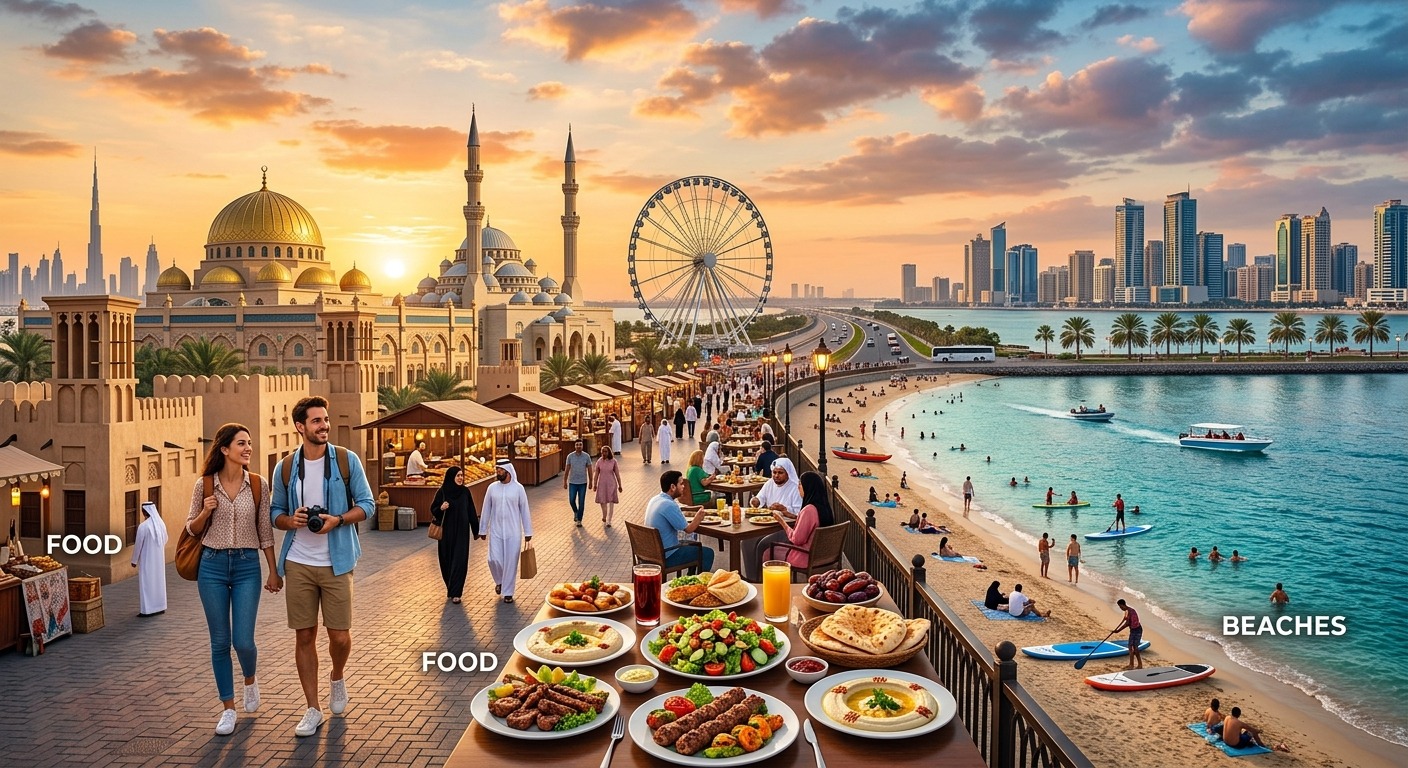
When the sun sets, Sharjah changes. The heat fades, and the streets fill with people. Locals head to the Al Majaz Waterfront for evening strolls. The fountains light up, children play, and families gather on the grass. It is a simple, joyful scene.
Dinner is often late, around 8 or 9 pm. Locals prefer restaurants with outdoor seating, especially during the cooler months. Grilled meats, fresh bread, and shared mezzes are the norm. Try a restaurant in the Al Khan area, where the old fishing port has been turned into a dining district. The seafood is excellent.
After dinner, many locals go for a walk along the Al Qasba canal. The lit up bridges and the Ferris wheel create a relaxed atmosphere. You can rent a small boat or just sit on a bench and watch the water. It is a peaceful way to end the day.
For a more cultural evening, check the program at the Sharjah Opera House. It hosts everything from classical music to traditional Emirati performances. Tickets are reasonably priced, and the venue is intimate. Locals make up most of the audience.
A Simple Process to Plan Your Local Experience
Follow these steps to build a trip that feels authentic, not rushed.
- Choose a base in Al Majaz or near the Heart of Sharjah. These neighborhoods are walkable and close to local life. Skip the big hotel zones on the outskirts.
- Plan your days around the local rhythm. Start early, rest during the midday heat, and go out again in the late afternoon. This matches how residents live.
- Eat at family run restaurants for at least two meals a day. Ask your hotel concierge or a shopkeeper for their personal recommendations. The best spots have no online presence.
- Include at least one unstructured afternoon. Walk without a map. Sit in a park. Talk to a stranger. These moments often become the most memorable.
- Visit a souq on a Friday morning. That is when locals shop for the weekend. The energy is high, and you will see families bargaining for spices, fabrics, and dates.
What to Pack for a Local Style Visit
Your packing list should match the city's culture and climate.
- Light cotton clothing that covers your shoulders and knees. Modest dress is appreciated in public spaces.
- A scarf or shawl for entering mosques and traditional areas.
- Comfortable walking shoes. The best experiences happen on foot.
- A refillable water bottle. Public water stations are common in parks and museums.
- A small notebook. You will get recommendations from people you meet, and you will want to write them down.
The Real Sharjah Is Waiting
Sharjah does not shout for attention. It does not have the tallest buildings or the biggest malls. What it offers is quieter, but deeper. A chance to connect with a culture that values hospitality, family, and tradition. To experience it like a local means slowing down, saying yes to unexpected invitations, and letting the city reveal itself at its own pace.
Start your trip with an open mind and a flexible schedule. The best memories will come from the moments you did not plan. The karak chai shared with a stranger. The hand drawn map from a shopkeeper. The evening spent watching families laugh by the water. That is the Sharjah that locals love. And now it can be yours too.