skylar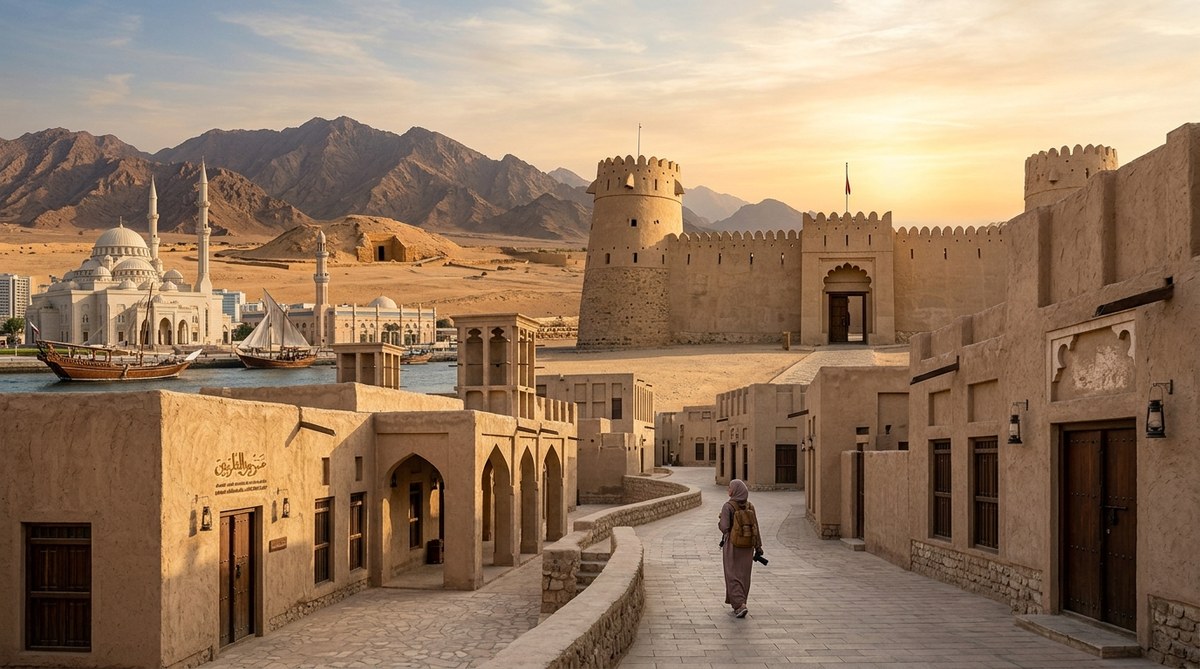
Sharjah holds a special place in the heart of the UAE. It is the country’s cultural capital, a title it has earned through years of preserving history, art, and tradition. For travellers who want to understand the region beyond the skyscrapers, the Sharjah heritage sites offer a beautiful, grounded experience. In 2026, the city continues to welcome visitors with open arms, offering a journey through time that feels both authentic and intimate. Whether you are a first-time visitor or returning for a deeper look, these five locations will give you a real sense of the emirate’s soul.
A trip to Sharjah’s heritage sites is more than sightseeing; it is a way to connect with centuries of Emirati life. From the restored fort of Al Hisn to the archaeological treasures of Mleiha, each location reveals stories of trade, family, and resilience. Plan at least two days to visit the five sites listed here, and allow extra time for the museums and cultural events that often take place nearby.
Why Sharjah is a Top Destination for History Lovers in 2026
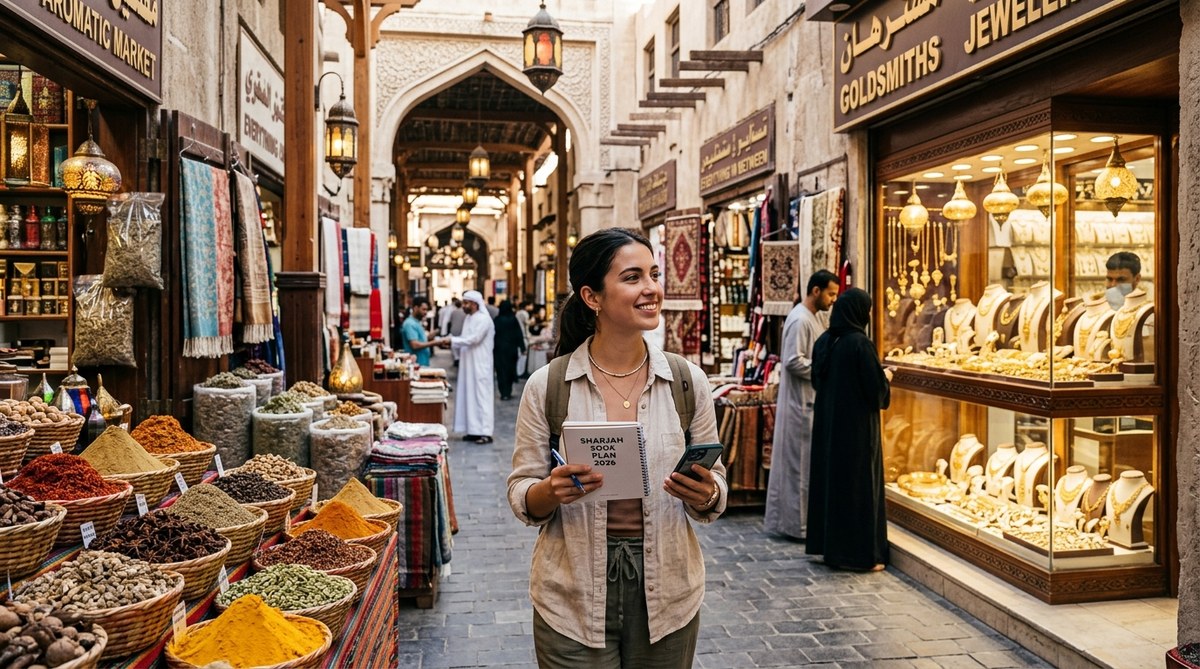
Sharjah has invested heavily in preserving its past. Unlike other cities that focus only on modern development, Sharjah balances high-tech urban life with carefully restored old quarters. The result is a place where you can walk through a 200-year-old souk in the morning and visit a world-class museum in the afternoon.
The United Arab Emirates has a rich story that starts long before oil was found. Sharjah’s heritage sites help you see that story firsthand. In 2026, new conservation projects have made many locations more accessible, with better signage, guided tours, and interactive displays. If you are planning a trip this year, you will find that the past feels very much alive here.
The 5 Must-Visit Heritage Sites
Here is a numbered list of the top Sharjah heritage sites that every culture-conscious traveller should include on their itinerary. Each one offers a unique window into Emirati history.
-
Sharjah Fort (Al Hisn)
This is the heart of old Sharjah. Built in 1823, Al Hisn served as the residence of the ruling Al Qasimi family and as a defensive fort. After a careful restoration, it now operates as a museum. You will see traditional architecture, learn about the pearling trade, and get a sense of daily life in the 19th century. The fort is located in the Heritage Area, making it an easy starting point for your journey. -
Al Eslah School Museum
Not far from the fort, you will find one of the UAE’s first formal schools. Al Eslah was established in 1935 and has been restored to show what a classroom looked like in the mid 20th century. The museum displays old textbooks, desks, and photographs. It is a quiet, reflective spot that highlights the importance of education in Emirati culture. -
Heritage Museum (Bait Al Naboodah)
This restored pearl merchant’s house from the 1840s is a gem. The courtyard, wind towers, and intricate plasterwork show the wealth and skill of Sharjah’s trading families. Inside, six galleries cover topics like medicine, handicrafts, and wedding traditions. The museum gives you a very personal view of Emirati heritage. -
Mleiha Archaeological Centre
About 60 kilometres from the city centre, Mleiha takes you much further back in time. This site contains evidence of human settlement dating back 125,000 years. You can visit tombs, a fort, and a fossilised camel skeleton. The on-site centre explains the archaeological findings with digital displays and guided tours. It is a must for anyone fascinated by the deep history of the Arabian Peninsula. -
Al Qasba and the Maraya Art Centre
While Al Qasba is a modern canal district, it sits on land that has been a trading hub for centuries. The Maraya Art Centre, housed in an old building, showcases contemporary Emirati art that often draws on traditional themes. This site connects the past to the present, making it a perfect final stop on your heritage tour.
Planning Your Heritage Tour: Practical Tips
To make the most of your visit to Sharjah heritage sites, a little planning goes a long way. Below is a bulleted list of practical advice for your 2026 trip.
- Start early in the morning. The Heritage Area is more pleasant before the afternoon heat sets in. Most sites open at 9:00 AM.
- Wear comfortable shoes. The old districts have cobblestone paths and you will be walking a lot.
- Bring water and a hat. Sharjah can be very warm, even outside the summer months.
- Check the opening hours online. Some museums close for a midday break (usually 12:00 PM to 4:00 PM) during Ramadan and on Fridays.
- Hire a local guide for Mleiha. The archaeological site is large and a guide helps you understand the layers of history.
Here is a markdown table to help you decide when to go and what to expect at each site.
| Heritage Site | Best Time to Visit | Approx. Time Needed | Entry Fee (2026) |
|---|---|---|---|
| Sharjah Fort (Al Hisn) | Morning (9 AM-11 AM) | 1.5 hours | AED 20 |
| Al Eslah School Museum | Late morning | 45 minutes | AED 15 |
| Heritage Museum (Bait Al Naboodah) | Mid-morning | 1-1.5 hours | AED 20 |
| Mleiha Archaeological Centre | Late afternoon (3 PM-5 PM) | 2-3 hours | AED 40 for site access |
| Maraya Art Centre (Al Qasba) | Evening (5 PM onwards) | 1 hour | Free |
Expert advice from a local guide I met in Sharjah: “Most tourists rush through the museums in an hour. I always tell them to sit on the courtyard benches at Bait Al Naboodah for ten minutes. Close your eyes and listen. You will hear the wind through the barjeel (wind tower). That sound has been the same for 150 years. That is what heritage feels like.”
What Makes These Sharjah Heritage Sites Unique
Each site on this list has been chosen because it offers something different. The fort shows power and defence. The school shows learning. The merchant house shows home life. Mleiha shows the very first footprints of humans in this region. Together, they form a complete picture of Sharjah’s story.
One common thread is the emphasis on storytelling. Curators here focus on personal narratives. You will read letters from pearl divers, see a teacher’s handwriting on a blackboard, and touch the coral stones that ancient builders used. This tactile connection makes history feel closer.
Extending Your Cultural Journey
After you have visited these five sites, you may want to go deeper. Sharjah has so much more to offer. For instance, you can take a side trip to discover the hidden gems of Sharjah’s cultural scene, where lesser known museums and art galleries await. If you are travelling with family, the https://sharjahmydestination.ae/top-family-friendly-activities-to-enjoy-in-sharjah-this-year/ are a great way to keep younger visitors engaged while learning about local traditions.
For those who prefer to plan ahead, our guide on how to plan a budget-friendly trip to Sharjah in 2026 can help you save money while still seeing the best heritage sites. And if you want to stay longer, the best luxury hotels in Sharjah for a memorable stay are close to many historical districts, so you can walk from your room to the past in minutes.
A Journey Through Time Starts Now
Sharjah’s heritage sites are not just old buildings. They are living classrooms. They remind us that the UAE has a long and proud history that predates the modern nation. In 2026, visiting these places is easier and more rewarding than ever.
I encourage you to set aside two days for the five sites mentioned here. Start at Al Hisn, wander through the Heritage Museum, and finish your journey under the stars at Al Qasba. Take your time. Talk to the guides. Sit in the courtyards. Let the stories settle in your mind. You will leave Sharjah with a piece of its history in your heart, and that is something no souvenir can replace.