skylar
In the heart of the UAE, Sharjah has long been known as the cultural capital. But in 2026, the emirate is doing something remarkable. It is not just protecting its Bedouin heritage inside glass cases. It is bringing that heritage to life in ways that feel fresh, interactive, and deeply personal. For anyone curious about how tradition meets innovation, Sharjah Bedouin heritage 2026 offers a powerful case study. From satellite mapping of ancient camel routes to immersive storytelling in heritage villages, the emirate is proving that the past can be a living, breathing part of the future.
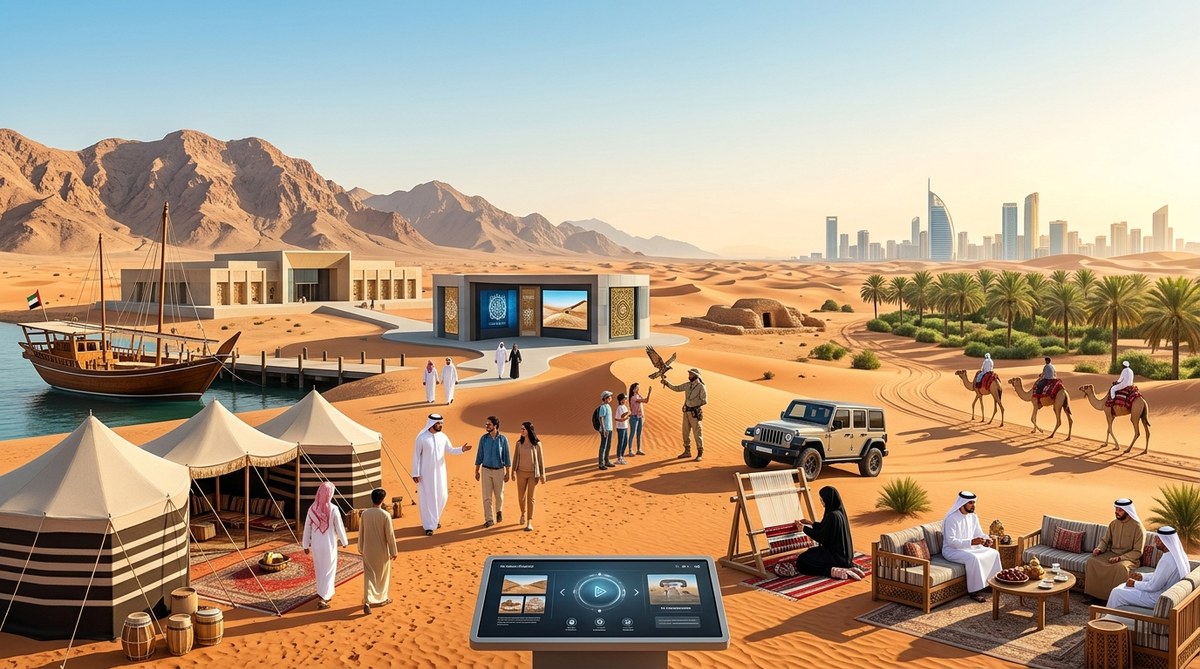
Sharjah is preserving its Bedouin heritage through seven innovative methods in 2026: digital archives, living museums, community festivals, satellite mapping, craft incubators, oral history projects, and eco-desert camps. These efforts make Bedouin culture accessible to residents and visitors while ensuring traditional knowledge is passed to younger generations. The initiatives blend technology with hands-on experience.
Digital Archives That Bring the Desert to Your Screen
One of the most exciting shifts in 2026 is how Sharjah uses technology to preserve Bedouin heritage. The Sharjah Institute for Heritage has launched a comprehensive digital archive that includes high-resolution scans of old manuscripts, audio recordings of traditional poetry, and 3D models of historic forts. This is not just a dusty online library. It is an interactive platform where you can listen to a Bedouin elder recite Nabati poetry while viewing the exact desert landscape that inspired the verses.
The archive also includes a virtual reality component. Visitors at the Sharjah Heritage Museum can put on a headset and experience a 360 degree simulation of a Bedouin caravan crossing the Rub al Khali. The sound of camel bells, the crackle of a campfire, the vast starry sky. It is all there. For expat residents in the UAE who cannot easily travel to remote desert locations, this is a window into a world that shaped the nation.
If you are planning a visit, you can combine this with a trip to the Heart of Sharjah district. For more ideas on how to spend your day, check out our guide on how to plan a perfect cultural day in Sharjah’s heritage districts in 2026.
Living Museums Where You Can Weave and Cook
Museums in Sharjah are no longer quiet places where you just look at objects. In 2026, several heritage sites have become living museums. At the Al Mahatta Museum, for example, you can watch a Bedouin woman weave a traditional sadu rug using the same patterns her grandmother used. You are invited to try the loom yourself. The experience is tactile and memorable.
At the Bait Al Naboodah, a restored pearl merchant’s house, visitors can participate in cooking workshops. You learn to prepare dishes like harees and luqaimat using traditional methods. The recipes are sourced from oral histories collected from elderly Emirati women across the emirate. This is not a performance. It is a transfer of knowledge.
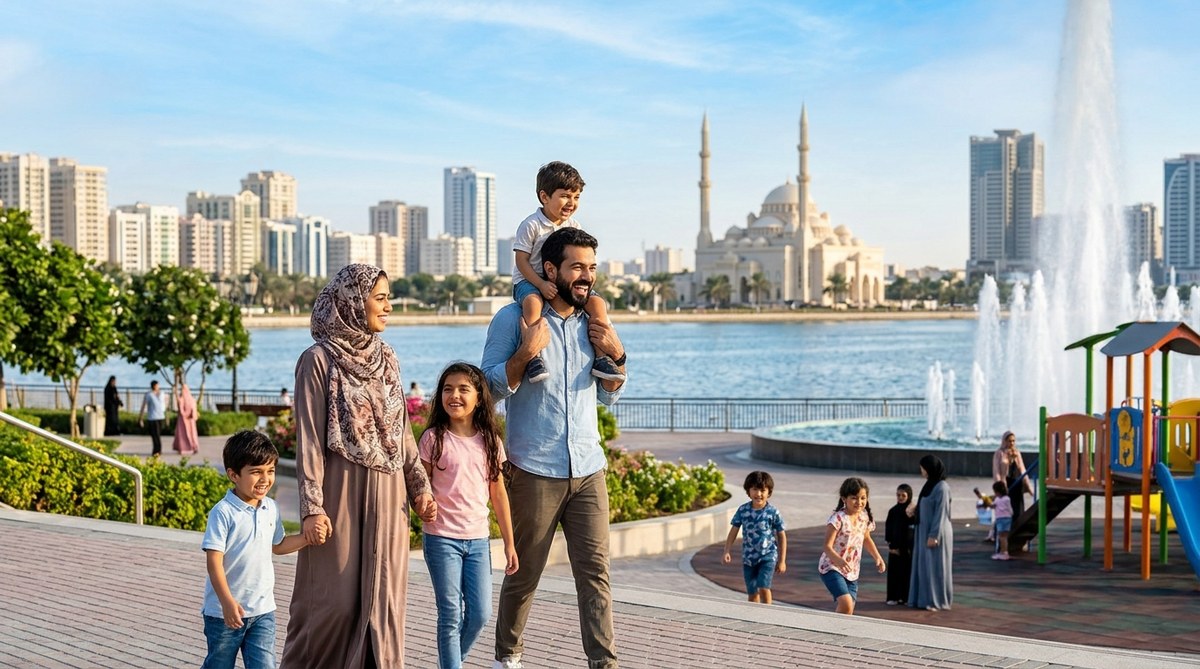
These living museums are especially popular with families. If you are travelling with children, you might also enjoy our list of top family-friendly activities to experience in Sharjah.
Community Festivals That Celebrate Bedouin Roots
Sharjah Heritage Days, now in its 23rd edition in 2026, remains the flagship event for Bedouin heritage. But the format has evolved. Instead of a single location, the festival now travels to different towns across the emirate. Al Dhaid, Khor Fakkan, and Dibba Al Hisn each host a weekend of activities. This decentralised approach ensures that communities in the central and eastern regions feel included.
What makes the 2026 edition special is the focus on youth. School students compete in traditional poetry slams, falconry demonstrations, and camel milking contests. There are also workshops on sustainable desert living, teaching young people how Bedouins conserved water and navigated by the stars. For travel content creators, this is a goldmine of authentic moments.
“Our goal is not to freeze Bedouin culture in time. It is to help young Emiratis find their own connection to it. When a teenager learns to read the stars, they are not just learning history. They are learning patience, observation, and respect for nature.” – Dr. Aisha Al Midfa, Sharjah Institute for Heritage
If you want to plan your trip around these events, read our guide on the best time to visit Sharjah for festivals and events.
Satellite Mapping of Ancient Routes
Here is a method that surprises many people. In 2026, Sharjah is using satellite technology to map ancient Bedouin migration routes. Researchers from the University of Sharjah have partnered with the Sharjah Institute for Heritage to analyse satellite imagery of the desert. They have identified old pathways, watering holes, and seasonal campsites that were previously unknown.
This data is used to create hiking trails that follow the original routes. You can now walk a section of the old caravan path between Al Dhaid and the coast. Along the way, QR codes on signposts link to audio stories narrated by Bedouin elders. It is a brilliant blend of high tech and deep tradition.
For those who love the outdoors, this pairs perfectly with a desert camping trip. See our tips on how to plan the perfect desert camping trip near Sharjah in 2026.
Craft Incubators for Traditional Skills
One of the biggest threats to Bedouin heritage is the loss of traditional crafts. In response, Sharjah has set up craft incubators in the Heritage Area. These are dedicated spaces where master artisans teach their skills to apprentices over several months. The focus is on crafts that were essential to Bedouin life: sadu weaving, silver jewellery making, pottery, and leather working.
The incubators are not just about preservation. They are about economic empowerment. Apprentices can sell their work in the adjacent souk, with profits split between the artisan and the apprentice. This creates a sustainable model where heritage skills become a viable career.
Here is a breakdown of the main crafts and their Bedouin significance:
| Craft | Traditional Use | Modern Application | Where to Learn |
|---|---|---|---|
| Sadu weaving | Tent dividers, camel saddles | Home decor, fashion accessories | Al Qasba Craft Centre |
| Silver jewellery | Dowry pieces, amulets | Contemporary jewellery design | Sharjah Art Museum workshop |
| Tannour pottery | Water jars, cooking pots | Tableware, art pieces | Bait Al Othman |
| Leather working | Camel bags, water skins | Bags, belts, sandals | Heritage Area Souk |
For a deeper look at the creative side of the city, explore our article on 5 ways to experience Sharjah’s thriving contemporary art scene.
Oral History Projects Recorded by Youth
In 2026, the Sharjah Institute for Heritage launched a programme called “Voices of the Desert.” It trains university students to conduct oral history interviews with elderly Bedouins. The students learn interview techniques, audio recording, and archival methods. They then travel to homes and farms across the emirate to capture stories.
The results are published as a podcast series and as written transcripts in both Arabic and English. Topics range from traditional medicine using desert plants to the social etiquette of camel trading. For expat residents who want to understand the deeper culture of the UAE, this podcast is an excellent resource.
If you are a content creator, these stories can inspire your own work. You might also find value in our guide to 6 off-the-beaten-path cafes in Sharjah where locals actually hang out, a great place to listen to a podcast while enjoying a cup of Arabic coffee.
Eco-Desert Camps for Immersive Learning
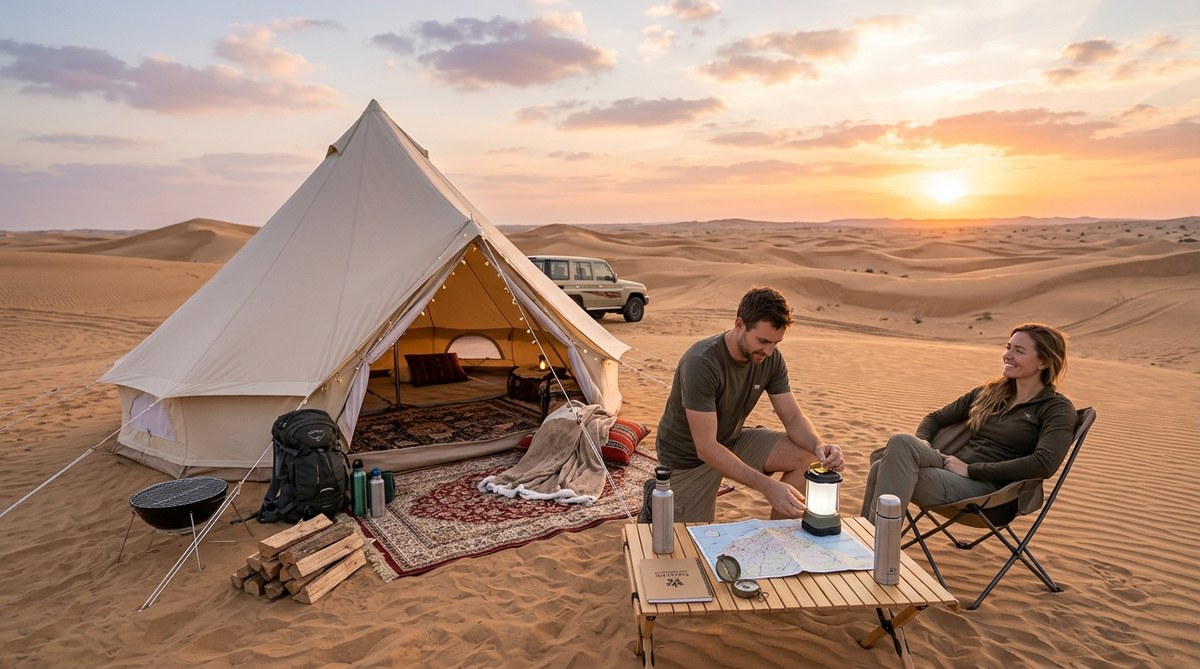
The seventh method is perhaps the most experiential. Sharjah has developed eco-desert camps that offer overnight stays in a Bedouin setting. But these are not luxury glamping resorts. They are designed to be authentic and educational. Guests sleep in traditional goat hair tents, eat meals cooked over an open fire, and learn skills like tracking animals and identifying edible plants.
The camps are located in the Al Bridi Nature Reserve and the Mleiha area. They operate on solar power and use greywater recycling. This aligns with the Bedouin value of living lightly on the land. For visitors, it is a chance to disconnect from screens and reconnect with a simpler rhythm of life.
Here is a numbered list of what you can expect during a two day stay:
- Arrival and orientation over a cup of gahwa (Arabic coffee) with dates.
- A guided walk to identify desert plants used for medicine and food.
- Hands on lesson in making bread on a saj (metal griddle).
- Evening storytelling around the campfire with a Bedouin elder.
- Stargazing session using traditional navigation techniques.
- Morning camel ride to a nearby archaeological site.
- Farewell breakfast of chabab bread and cheese.
For practical advice on packing and planning, see our 5 must-pack items for your Sharjah trip in 2026.
Why This Matters for Visitors and Residents
What makes Sharjah Bedouin heritage 2026 so compelling is that it is not a single programme. It is a web of initiatives that reinforce each other. The digital archive feeds into the living museum. The oral history project supplies content for the eco-camp. The craft incubator creates products that are sold at the festival. Everything is connected.
For cultural heritage enthusiasts, this means you can engage with Bedouin traditions at whatever depth you prefer. You can stay in a city museum or sleep under the desert stars. You can listen to a podcast or weave a rug. The choice is yours.
For expat residents, these initiatives offer a way to move beyond surface level tourism. You can develop a genuine understanding of the culture that shaped the UAE. And for travel content creators, the stories here are endless.
A Living Heritage, Not a Frozen One
Sharjah is showing the Gulf and the world that heritage preservation does not mean locking things away. It means keeping them alive. It means giving them new contexts and new audiences. The Bedouin spirit of adaptation and resilience is itself being preserved through these methods.
The next time you are in Sharjah, skip the usual mall. Visit a living museum. Attend a heritage festival. Book a night at an eco-camp. You will leave with more than photos. You will leave with a sense of connection to a culture that has thrived in this harsh landscape for centuries.
For more inspiration on how to spend your time, take a look at our guide to 7 unmissable experiences for solo travelers in Sharjah. Whether you come alone or with family, the Bedouin heritage of Sharjah is waiting to welcome you.