skylar
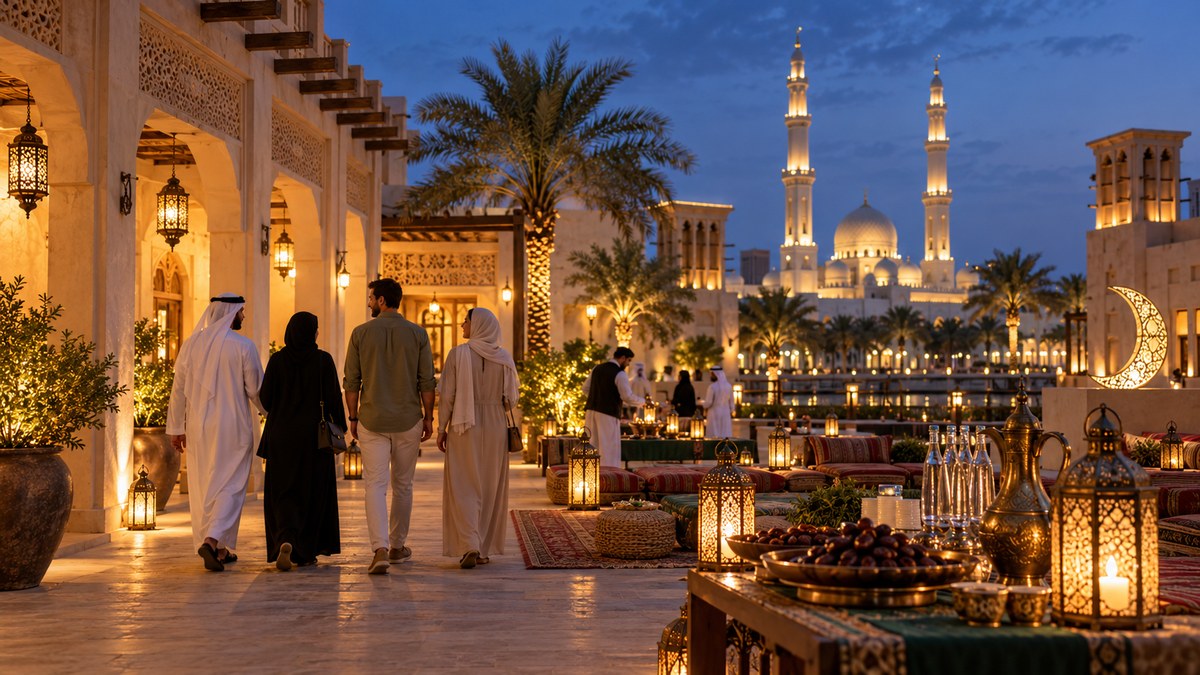
Sharjah holds a special energy during Ramadan. The city slows down during the day and comes alive after sunset. For visitors, this shift can feel unfamiliar. But with a little preparation, your trip can be one of the most memorable you will take.
This Sharjah Ramadan visitor guide covers everything you need to know. From daily etiquette to the best places for iftar, we have you covered. You will leave feeling confident and culturally aware.
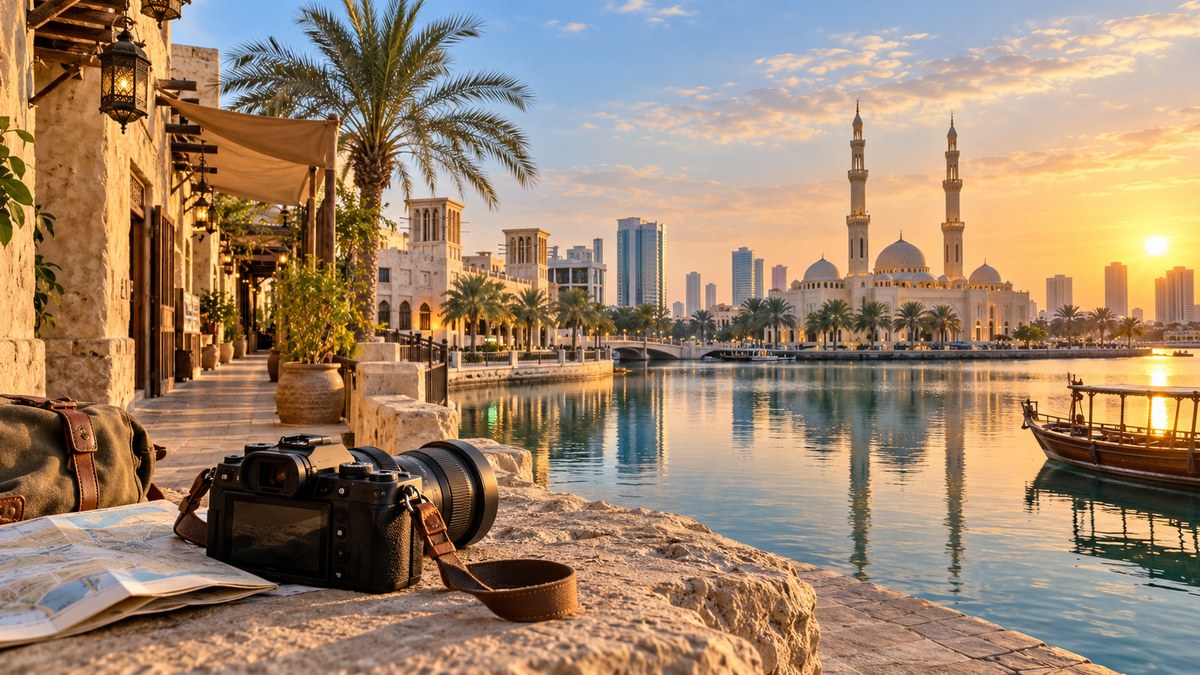
Ramadan in Sharjah is a time of reflection, community, and generosity. Visitors are welcome but must respect local customs. Dress modestly, avoid eating in public during daylight, and plan your day around the iftar cannon. Embrace the slower pace and enjoy the magical evenings at the Al Majaz Waterfront and the Heart of Sharjah heritage district.
Understanding the Rhythm of Ramadan in Sharjah
Ramadan follows the lunar calendar. In 2026, it is expected to begin around the evening of 17 February and last for 29 to 30 days. The exact dates depend on the sighting of the moon.
During the holy month, Muslims fast from dawn until sunset. This means no food, drink, or smoking in public during daylight hours. The day is divided into two main meals:
- Suhoor: The pre dawn meal eaten before the Fajr prayer.
- Iftar: The meal that breaks the fast at sunset, often started with dates and water.
Work hours in Sharjah are reduced. Government offices and many private businesses operate from 9:00 AM to 2:00 PM. Schools also close earlier. Shops and malls stay open late, often until midnight or 1:00 AM.
The city becomes quiet during the day. Streets are less crowded. It is a wonderful time to visit museums or enjoy the peaceful atmosphere. After iftar, the city buzzes with energy. Families gather, restaurants fill, and the souks come alive.
What to Wear and How to Behave
Modesty is key during Ramadan. This applies to both men and women. Shoulders and knees should be covered in public. Loose fitting clothing made from breathable fabrics like cotton or linen works best.
Here are some simple rules to follow:
- Avoid wearing shorts above the knee.
- Skip sleeveless tops and tank tops.
- Cover your shoulders when entering a mall or government building.
- Swimwear is fine at the beach or hotel pool, but cover up when leaving.
Public displays of affection should be kept minimal. Holding hands is fine, but kissing in public is not appropriate. Loud music and swearing are also best avoided.
“Ramadan is a time for inner reflection and self discipline. As a guest in Sharjah, your respect for these practices will be deeply appreciated by the local community.” – Ahmed Al Nuaimi, Sharjah Tourism Guide
Eating and Drinking in Public
This is the most important rule for non Muslim visitors. Do not eat, drink, or smoke in public during fasting hours. This includes chewing gum. Hotels and restaurants with special licenses can serve food to non fasting guests, but only in designated screened off areas.
If you need a sip of water during the day, do it inside your hotel room, your car, or a private space. Do not drink water while walking on the street or sitting in a public park.
Most cafes and restaurants are closed during the day. They open again for iftar and stay open until late. Takeaway food is available, but you must consume it in private.
Many hotels in Sharjah offer iftar buffets. These are open to everyone, including non Muslims. It is a wonderful way to experience the local culture. You can find a list of top places to stay in our guide on top boutique hotels in Sharjah for a unique stay experience.
The Best Things to Do During the Day
Do not let the fasting hours stop you from enjoying Sharjah. In fact, the quieter streets make it easier to visit some of the emirate’s best attractions.
Visit Museums and Cultural Sites
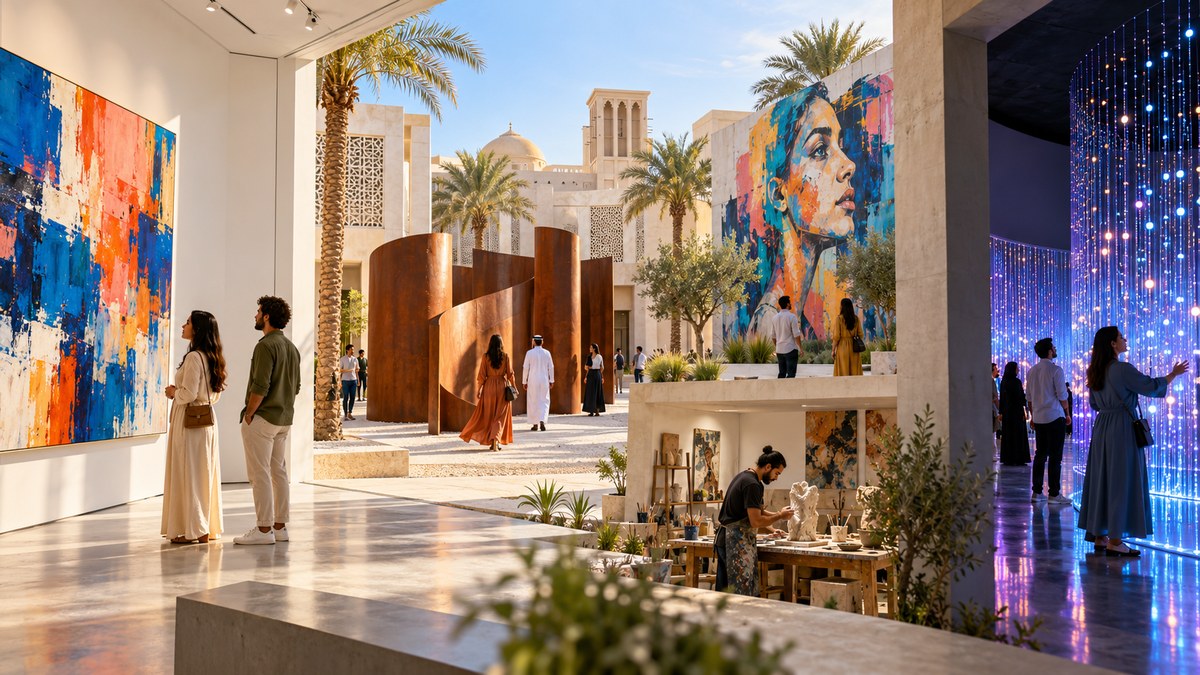
Sharjah is the cultural capital of the UAE. Many of its museums stay open during the day with adjusted hours. The Sharjah Museum of Islamic Civilization is a must visit. It has a stunning collection of artifacts and a beautiful view of the Al Majaz Waterfront.
The Sharjah Art Museum and the Sharjah Heritage Museum are also open. These offer a calm, air conditioned space to learn about local history and art. For a deeper look, check out our article on 10 must visit museums in Sharjah for history lovers.
Explore the Heart of Sharjah
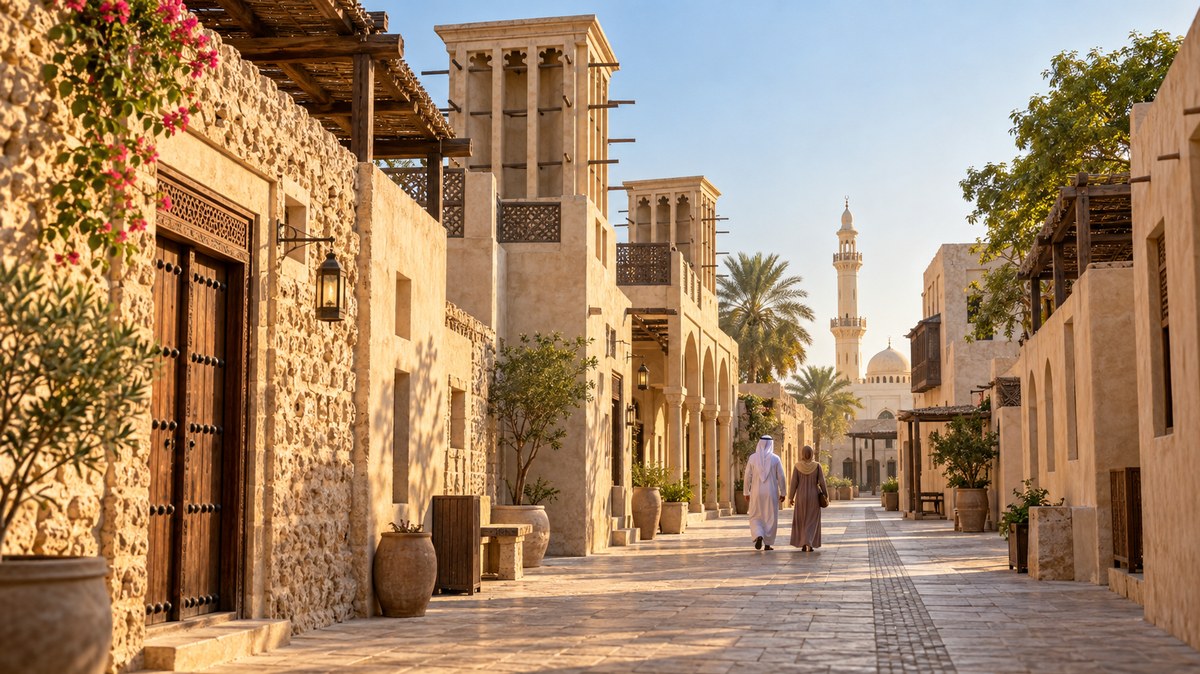
The Heart of Sharjah heritage district is a restored area that feels like a step back in time. You can wander through narrow alleyways, visit the Souk Al Arsah, and see traditional wind tower architecture. The area is quiet during the day, making it perfect for a slow walk.
Enjoy the Corniche
The Sharjah Corniche is a long waterfront promenade. It is a great place for a morning walk or a jog. The sea breeze keeps things cool. Just remember to bring a water bottle and drink it in a private spot.
Go Shopping
Malls like the City Centre Sharjah and Sahara Centre are open during the day. They are less crowded than usual, so you can shop at your own pace. Many shops also offer Ramadan discounts.
The Magic of Iftar and Evening Activities
As the sun sets, the city transforms. The sound of the cannon firing signals the end of the fast. This is a special moment to witness.
Attend an Iftar
You do not need a Muslim friend to experience iftar. Many hotels and restaurants host public iftar buffets. These are grand affairs with dozens of dishes. You will find traditional Emirati food like harees, thareed, and luqaimat alongside international options.
Some popular iftar spots include:
- The Chedi Khorfakkan for a beachside setting
- Radisson Blu Hotel Sharjah for a large buffet
- Local restaurants in the Al Majaz area
For a more authentic experience, look for smaller eateries in the Al Qasba area. These offer traditional dishes at reasonable prices. You can read more about local food in our guide on discover the best traditional eateries in Sharjah for authentic Emirati flavours.
Evening Walks and Family Time
After iftar, families head to public spaces. The Al Majaz Waterfront is packed with people enjoying the cool evening air. There are fountains, playgrounds, and food stalls. The atmosphere is joyful and relaxed.
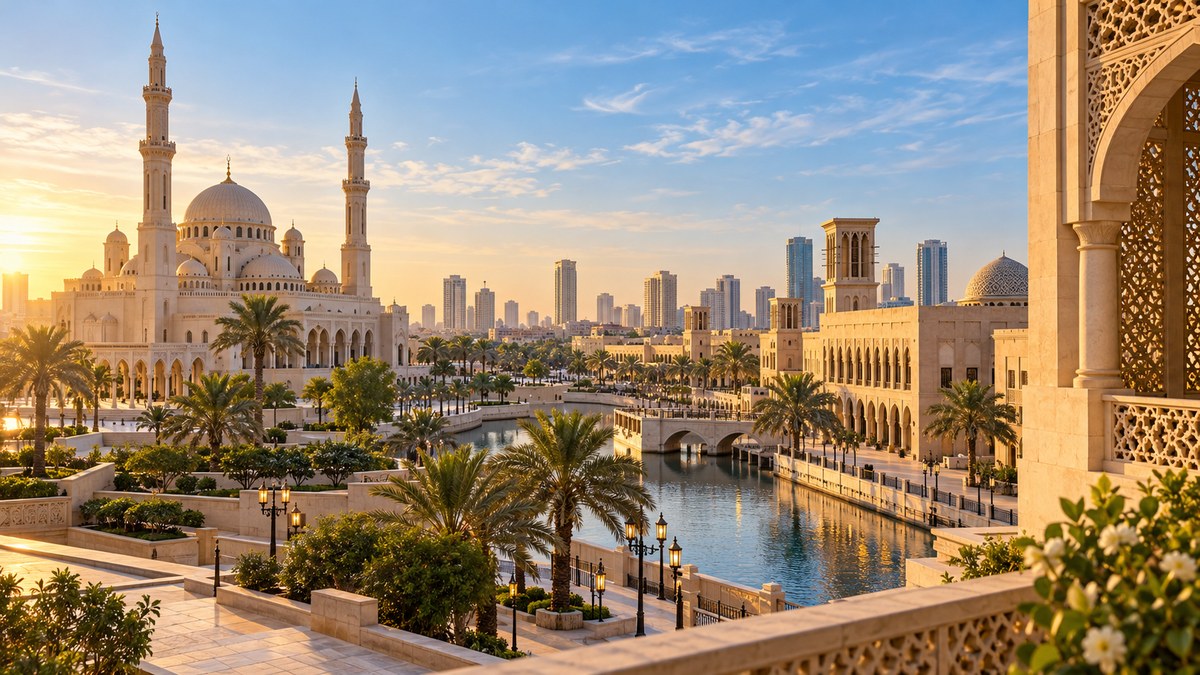
The Al Qasba canal area is another popular spot. You can take a boat ride, visit the Eye of the Emirates wheel, or grab a coffee at one of the many cafes.
Ramadan Tents and Cultural Events
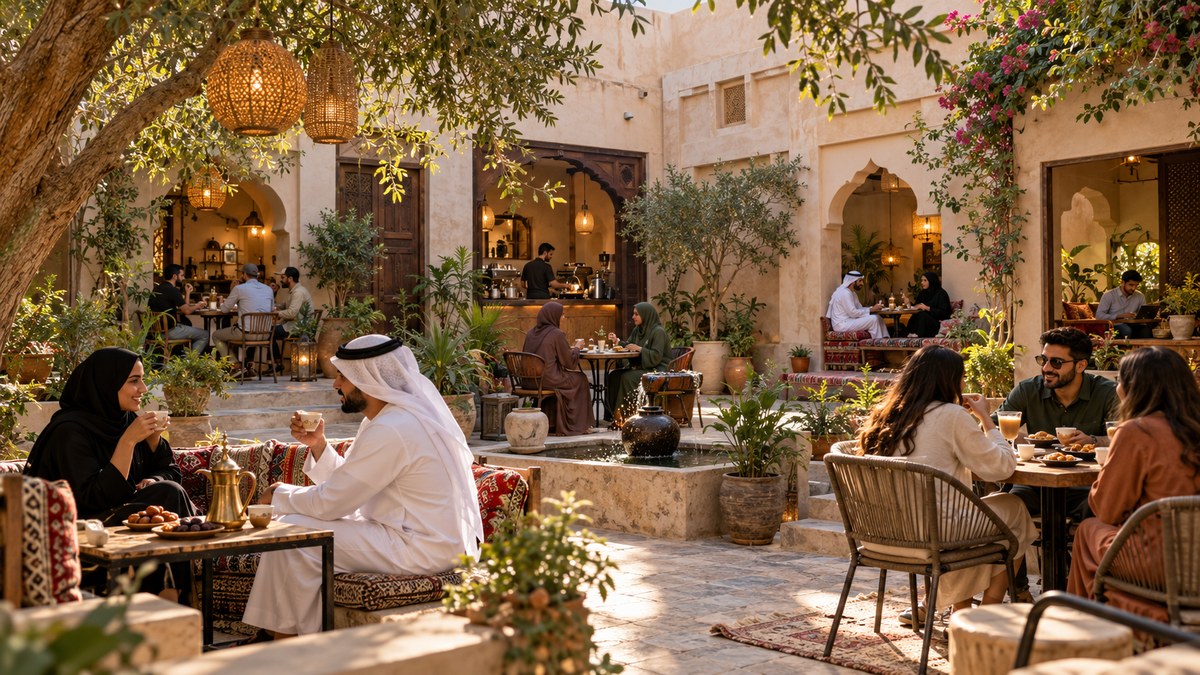
Many hotels and community centers set up Ramadan tents. These are large, air conditioned tents where people gather after iftar to drink tea and socialize. Some tents host cultural events like poetry readings and traditional music performances.
Check local listings for events at the Sharjah Institute of Theatrical Arts or the Sharjah Cultural Palace.
Practical Tips for Your Visit
Here is a numbered list of steps to follow for a smooth trip:
- Check the moon sighting calendar. Confirm the start date of Ramadan in 2026. It typically begins in mid February.
- Book your iftar in advance. Popular hotel buffets fill up fast. Make a reservation at least a few days ahead.
- Adjust your schedule. Plan your sightseeing for the morning and early afternoon. Save the evenings for social activities and dining.
- Carry a water bottle. Keep it in your bag for private use. Do not drink it in public.
- Download a prayer time app. This helps you know exactly when fasting hours start and end.
How to Navigate Public Transport and Taxis
Public transport in Sharjah runs on a reduced schedule during the day. Buses operate from 6:00 AM to 12:00 AM, but frequency drops between 2:00 PM and 5:00 PM.
Taxis are widely available and remain the easiest way to get around. Drivers observe the fast, so be patient if they seem tired in the late afternoon. It is polite to greet them with “Ramadan Kareem” which means “Generous Ramadan.”
If you are driving yourself, avoid eating or drinking in the car while stopped at traffic lights. This is considered public consumption.
For a detailed look at getting around, read our guide on how to navigate Sharjah’s public transport system in 2026.
Common Mistakes to Avoid
| Mistake | Why It Is a Problem | What to Do Instead |
|---|---|---|
| Eating in public | Disrespects those who are fasting | Eat only in private or in designated areas |
| Wearing revealing clothes | Offends local sensibilities | Dress modestly with covered shoulders and knees |
| Playing loud music | Disrupts the peaceful mood | Use headphones or keep volume low |
| Rushing through meals | Misses the social aspect of iftar | Take your time and enjoy the gathering |
| Ignoring prayer times | Can lead to closed shops or crowded streets | Plan your errands around prayer breaks |
A Sample Day in Sharjah During Ramadan
Here is a bulleted list of how a respectful visitor might spend their day:
- 7:00 AM – Morning walk on the Corniche. The air is fresh and cool.
- 8:30 AM – Breakfast at your hotel. Eat well because the next meal will be at sunset.
- 10:00 AM – Visit the Sharjah Museum of Islamic Civilization. It is quiet and air conditioned.
- 12:30 PM – Lunch inside your hotel or a licensed restaurant with screened seating.
- 2:00 PM – Rest at your hotel. Many shops are closed at this time.
- 4:30 PM – Explore the Heart of Sharjah heritage district before the crowds arrive.
- 6:00 PM – Head to Al Majaz Waterfront to find a good spot for the iftar cannon.
- 6:30 PM – Iftar time. Enjoy a buffet or a traditional meal at a local restaurant.
- 8:00 PM – Evening walk along the waterfront. Visit the souks or a Ramadan tent.
- 10:00 PM – Late night coffee or dessert at a cafe in Al Qasba.
What About Eid al Fitr?
Eid al Fitr marks the end of Ramadan. It is a three day public holiday in the UAE. The exact dates depend on the moon sighting.
During Eid, Sharjah is very busy. Families celebrate with feasts, gifts, and gatherings. Many restaurants and attractions are open, but hours may vary. It is a joyful time to visit, but expect larger crowds and higher prices for hotels.
If you plan to travel during Eid, book everything well in advance. You can find great accommodation options in our guide on best luxury hotels in Sharjah for a memorable stay.
Final Words of Advice
Ramadan in Sharjah is not a time to avoid. It is a time to appreciate. The slower pace gives you a chance to connect with the culture on a deeper level. You will see a side of the city that many tourists miss.
Be prepared, be respectful, and be open. The people of Sharjah are welcoming and generous. If you make an honest mistake, a simple apology will be accepted. Most locals appreciate your effort to understand their traditions.
Pack light layers, carry a positive attitude, and get ready for an unforgettable experience.