skylar
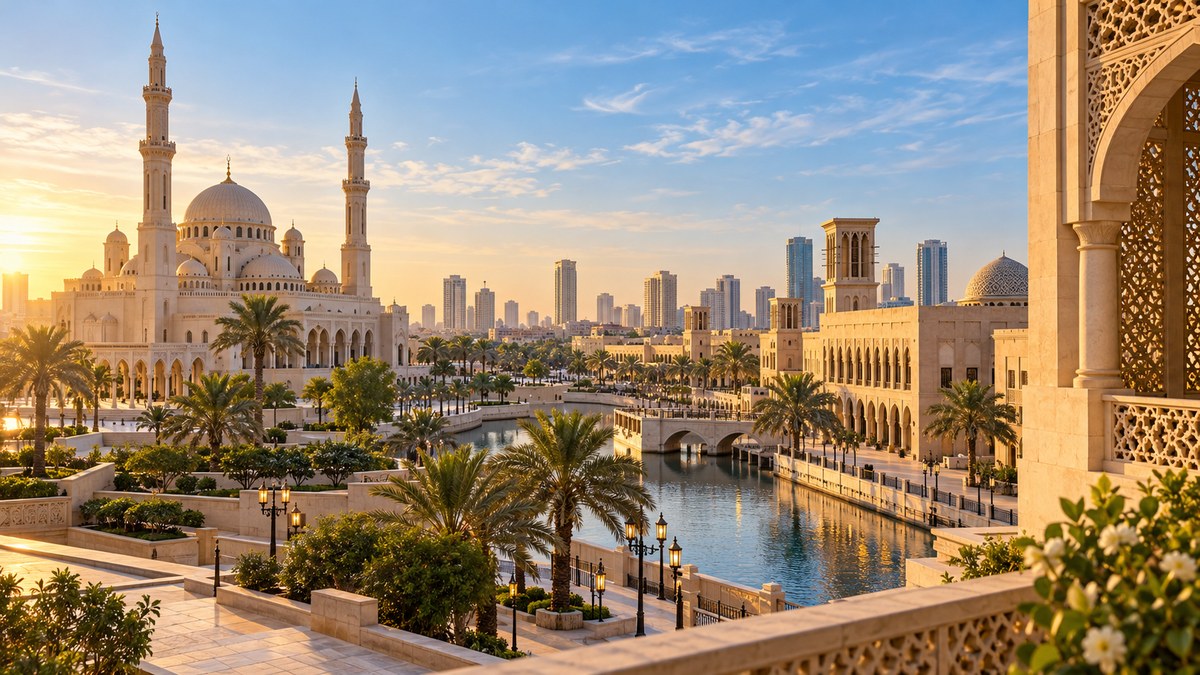
For years, travelers zipping between Dubai and the northern emirates have missed a quiet revolution. Sharjah has spent decades building something rare in the modern Gulf: a city that places heritage, art, and faith at the center of its identity. In 2026, that commitment has never been clearer. The emirate does not just host Islamic art. It lives it. From the calligraphy that adorns its public squares to the restored wind towers in the Heritage Area, Sharjah proves that Islamic culture is not a museum piece. It is a living, breathing part of daily life.
Sharjah earned the title of Islamic culture capital through deliberate action. It restored historic districts, opened world-class museums, and protected crafts that were vanishing elsewhere. In 2026, the city offers visitors a rare chance to see Islamic civilization as a continuum from the 7th century to today. This guide explains exactly why the recognition matters and how you can experience it firsthand.
A Title Earned Through Decades of Cultural Investment
Sharjah did not wake up one morning with the UNESCO title. It worked for it. The emirate has poured resources into cultural preservation since the 1980s, long before heritage tourism became fashionable.
The Islamic culture capital designation comes from the Islamic World Educational, Scientific and Cultural Organization (ICESCO). Sharjah first received the honor in 2014 and has held it proudly since. But 2026 feels different. The city has added new museums, expanded its pedestrian friendly heritage zones, and launched festivals that draw scholars from across the Muslim world.
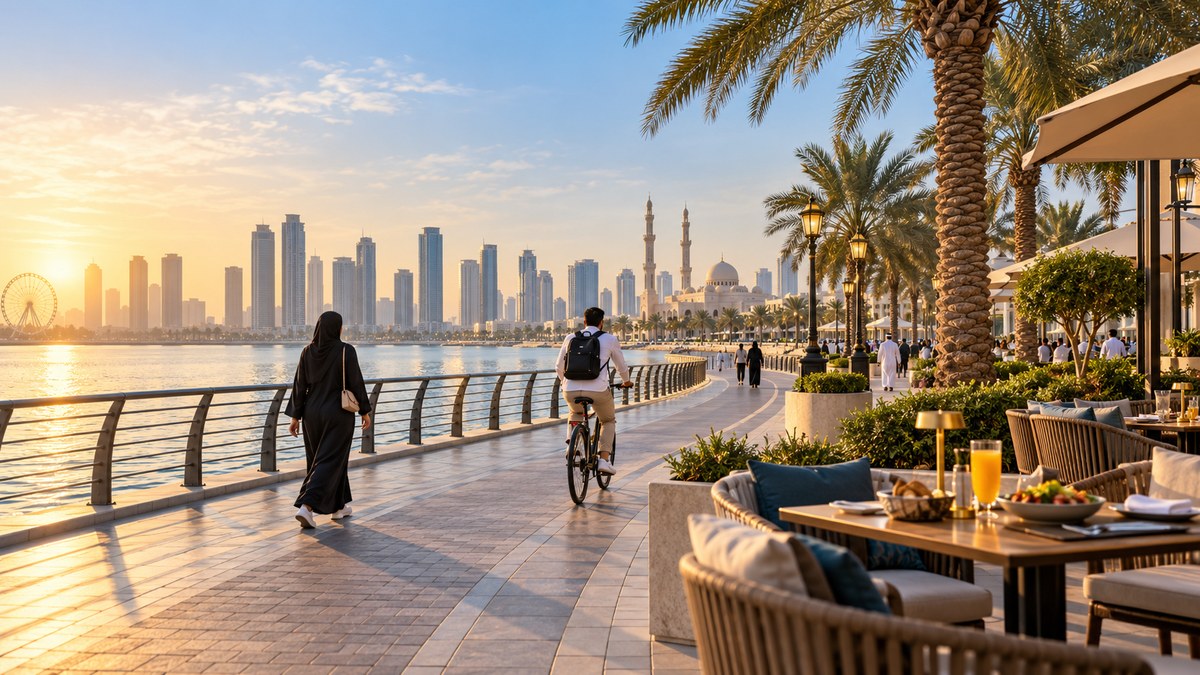
What makes the title stick is consistency. While other cities build one signature museum and call it a day, Sharjah weaves Islamic culture into the fabric of urban life. The call to prayer echoes across the corniche. Traditional souks still sell frankincense and saffron. The architecture in new developments mirrors the geometric patterns found in the Al Noor Mosque.
The Museums That Define the Experience
You cannot understand Sharjah’s claim without stepping inside its museums. The collection is staggering for a city of its size.
Sharjah Museum of Islamic Civilization
This is the crown jewel. Housed in a restored souk on the waterfront, the museum holds over 5,000 artifacts. You will see astrolabes used by medieval astronomers, intricate Qur’an manuscripts from Persia and Turkey, and ceramics that traveled the Silk Road.
The building itself tells a story. The original structure was a traditional market with a central courtyard. The architects preserved the souk’s soul while adding modern galleries. Sunlight filters through geometric screens, creating patterns that shift throughout the day.
What sets this museum apart is its focus on science. Many Islamic art collections emphasize decoration. This one shows how Islamic scholars advanced mathematics, medicine, and astronomy. You will leave understanding that Islamic culture was never just about beauty. It was about inquiry.
Other Essential Museum Stops
- Sharjah Art Museum: Houses the largest art collection in the Gulf, with works spanning from classic Orientalist paintings to contemporary Arab artists.
- Bait Al Naboodah: A restored merchant house that shows how wealthy families lived before air conditioning and electricity.
- Sharjah Heritage Museum: Explores Bedouin traditions, pearl diving, and the social customs that shaped Emirati identity.
You can find a full list of venues in our guide to 10 must-visit museums in Sharjah for history lovers.
How to Plan Your Cultural Visit in 2026
A thoughtful approach makes the difference between a surface level visit and a meaningful one.
- Pick a focus area. Islamic culture is broad. Decide if you want to learn about science, art, architecture, or daily life. This helps you choose which sites to prioritize.
- Book museum tickets online. The Islamic Civilization Museum and Art Museum offer timed entry slots on their websites. Booking ahead saves you from queuing in the heat.
- Allocate at least two full days. You can see highlights in one day, but you will rush. Two days let you attend a workshop or join a guided tour of the Heritage Area.
- Check the festival calendar. Sharjah runs cultural events year round. The Sharjah Light Festival in February and the Islamic Arts Festival in March are particularly strong.
- Dress respectfully. Shoulders and knees should be covered in museums and mosques. This is standard practice and helps you blend in with local visitors.
For more help structuring your time, see our perfect 3-day itinerary for first-time visitors to Sharjah.
Where Islamic Architecture Shines Brightest
Sharjah’s skyline does not compete with Dubai’s. It does not need to. The beauty here is horizontal, human scale, and deeply intentional.
Al Noor Mosque
This is the most photographed building in the emirate. Designed by Turkish architects, the mosque draws inspiration from Ottoman and Fatimid styles. The twin minarets rise 52 meters, and the central dome features intricate calligraphy. Non-Muslim visitors are welcome outside prayer times. The guided tours explain the symbolism behind every geometric pattern.
Al Hisn Fort
The old fort in the center of town has been restored to its 19th century appearance. It served as the ruler’s residence and later as a prison. Today it houses a small museum about Sharjah’s history. The coral stone walls and wooden beams show how builders worked with available materials before imported concrete changed everything.
The Heart of Sharjah
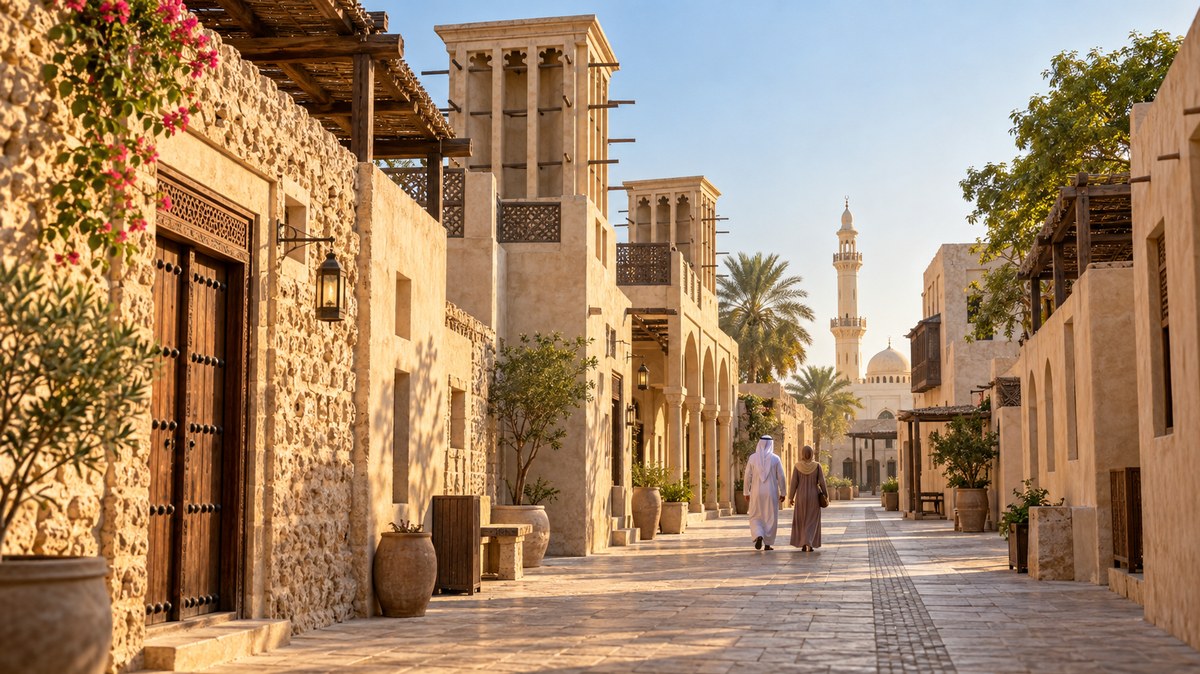
This district is the most ambitious heritage restoration project in the region. Over 600 buildings have been restored to their original condition. Narrow alleyways connect restored merchant houses, art galleries, and cafes. Walking through Heart of Sharjah feels like stepping into a 1950s Gulf town, before oil wealth reshaped the coastline.
For more architectural highlights, check out our list of 5 stunning mosques in Sharjah that showcase Islamic architecture.
Festivals That Bring Culture to Life
Static museums are important. But Sharjah truly shines when its streets fill with music, poetry, and performance.
| Festival | Best For | Typical Timing |
|---|---|---|
| Sharjah Light Festival | Families and photographers | February |
| Islamic Arts Festival | Art lovers and calligraphy enthusiasts | March |
| Sharjah Heritage Days | History buffs and food lovers | April |
| Sharjah Biennial | Contemporary art fans | March to June (odd numbered years) |
Each festival offers something different. The Light Festival transforms historic buildings into projection canvases. Heritage Days features traditional craft demonstrations, camel milk tasting, and folk dances. The Biennial draws international artists who engage with Islamic themes in surprising ways.
If you want to time your trip around these events, read our guide to the best time to visit Sharjah for festivals and events.
Traditional Souks as Living Museums
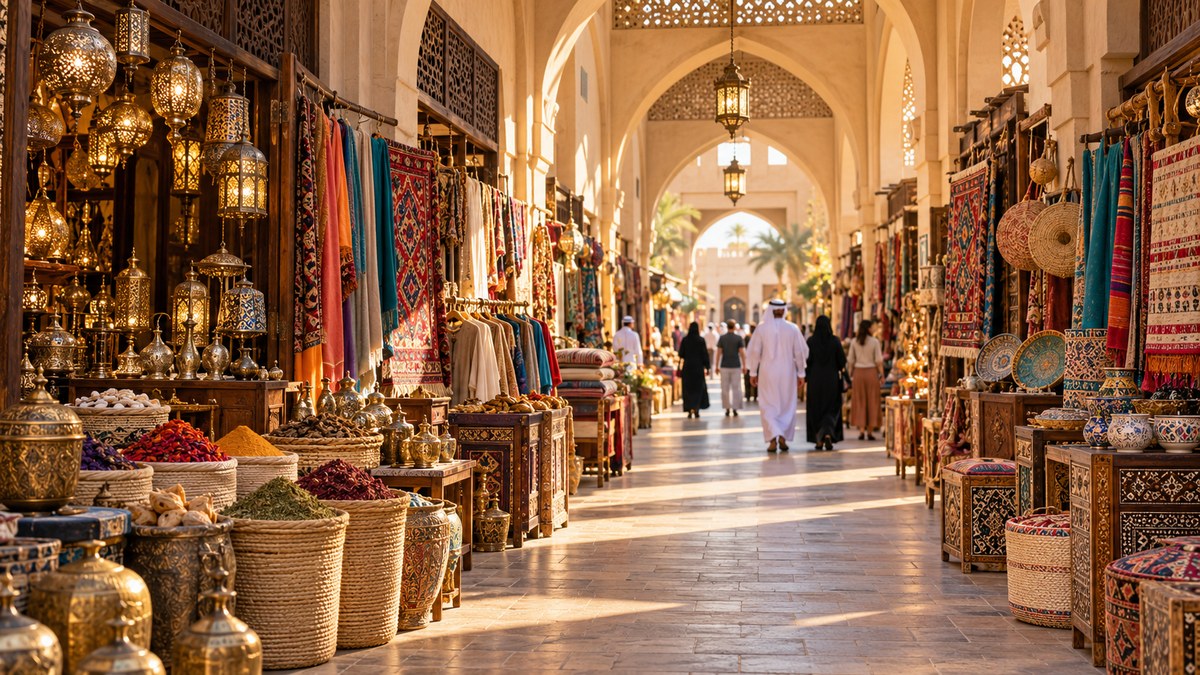
Modern malls have not killed the souk in Sharjah. The traditional markets remain vibrant, not just for tourists but for locals who still buy spices, textiles, and gold here.
Souk Al Arsah
This is the oldest souk in the UAE. It dates back over 200 years. The low ceiling and narrow lanes were designed to keep the space cool before electricity. Merchants sell antiques, traditional clothing, and handmade perfumes. Bargaining is expected, but keep it friendly.
Souk Al Jubail
Do not let the modern building fool you. Inside, this is the most authentic produce market in the region. The fish section is particularly impressive, with catches brought in daily from the Arabian Gulf. The fruit and vegetable stalls sell dates, pomegranates, and limes that taste nothing like the supermarket versions.
Blue Souk (Central Souk)
The building itself is a landmark. Two connected buildings with blue tile work house hundreds of shops selling carpets, jewelry, and electronics. The upper floor is best for handmade carpets from Iran and Afghanistan.
For a deeper look, see our guide to 7 best souks in Sharjah for an authentic shopping experience in 2026.
Common Mistakes Visitors Make
Even well intentioned travelers can miss the point. Here are the most frequent errors and how to avoid them.
“The best way to appreciate Islamic culture is to slow down. Do not try to see everything. Pick three things and give each one your full attention.” — Ahmed Al Mulla, Sharjah-based cultural guide
- Rushing through museums: The Islamic Civilization Museum deserves at least two hours. Many visitors do it in forty minutes and miss the detailed labels that explain the science behind the artifacts.
- Skipping the Heart of Sharjah at night: The district is beautiful during the day, but after sunset the lighting transforms the alleyways. The temperature drops, and the cafes come alive.
- Only visiting the big attractions: The small mosques and neighborhood souks often provide more authentic encounters than the main tourist sites.
- Forgetting to check prayer times: Museums and some shops close briefly during Friday prayers. Plan around this to avoid disappointment.
What Makes 2026 Special
This year carries extra significance. Sharjah has expanded several key venues and launched new initiatives.
The House of Wisdom library recently opened a new wing dedicated to Islamic manuscripts. The collection includes rare copies of Ibn Sina’s medical encyclopedia and early translations of Greek philosophy into Arabic. Visitors can view some of the manuscripts up close during scheduled viewing sessions.
The Mleiha Archaeological Centre has also added new exhibits. Recent digs have uncovered more evidence of pre Islamic trade routes that connected the Arabian Peninsula to Mesopotamia and the Indus Valley. This context helps visitors understand that Islamic culture in this region did not emerge in a vacuum. It built on thousands of years of exchange.
For a broader look at the emirate’s offerings, see our guide to what makes Sharjah the Gulf’s undisputed family vacation capital in 2026.
Practical Tips for Your Visit
A few logistical details will make your trip smoother.
- Getting there: Sharjah is 15 minutes from Dubai International Airport by car. Taxis are plentiful. The bus service from Dubai’s Union Station runs every 30 minutes and costs around 15 AED.
- Best time of year: November through March offers the most comfortable temperatures. Summer visits are possible but require planning around the heat. Most museums are air conditioned.
- Where to stay: The city has a range of options from boutique hotels in the Heritage Area to beach resorts along the corniche. Our ultimate guide to family-friendly accommodations in Sharjah can help you choose.
- Food: Traditional Emirati dishes like harees, machboos, and luqaimat are widely available. The Al Fanar restaurant in the Heart of Sharjah serves excellent local food in a restored house.
The Undisputed Cultural Heart of the UAE
Sharjah does not need to shout about its status. The evidence is visible on every street corner. The calligraphy on the walls, the scent of oud in the air, the careful restoration of old buildings, and the pride locals take in their heritage all point to the same conclusion.
In 2026, the city stands as proof that Islamic culture is not a relic. It is a living tradition that continues to evolve. The museums preserve the past, but the festivals, workshops, and contemporary art scene show that this culture is still being created. Every calligrapher practicing in the Heart of Sharjah, every student studying astronomy at the museum, and every family gathering for iftar during Ramadan adds a new layer to the story.
So plan your visit. Walk the alleyways of the old souk. Listen to the call to prayer echo across the lagoon. Taste the dates at Al Jubail market. Let the city show you why it holds this title with such confidence. The experience will stay with you long after you return home.