skylar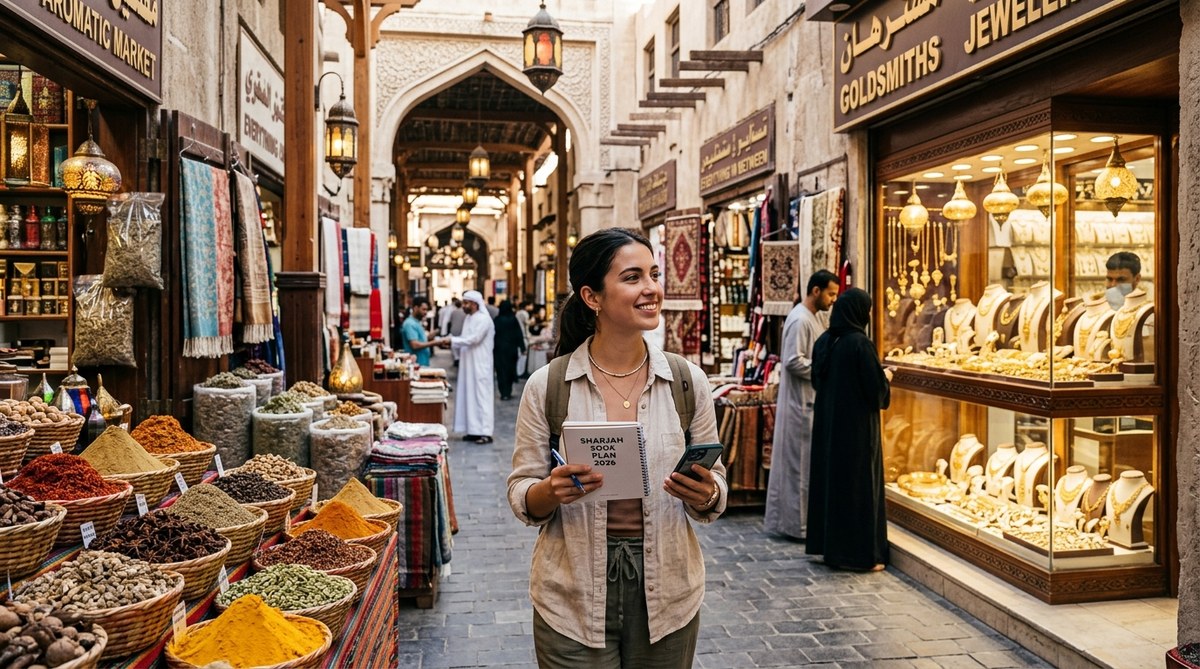
Sunlight catches the edge of a gold bracelet as a merchant lays it on velvet. The air smells of oud, saffron, and dried lime. A few steps away, piles of turmeric and cardamom rise like small amber hills. This is Sharjah, the cultural capital of the UAE, and its souks are alive with stories. For a traveler in 2026, a self-guided souk crawl through these traditional markets is the best way to taste local life, find unique treasures, and understand the emirate’s deep trading roots. Skip the generic mall experience. This guide shows you exactly how to plan your route, what to buy, and where to bargain with confidence.
A successful Sharjah souk crawl in 2026 starts at the Central Souk (Blue Souk) for gold and electronics, moves to Souk Al Arsah for antiques and heritage, and ends at the vegetable and spice market near the creek. Plan for late afternoon to evening hours, bring cash, and always bargain politely. This route takes about four hours and covers three distinct market experiences under one roof or within walking distance.
Why a Souk Crawl Belongs on Your 2026 Itinerary
Sharjah is not Dubai. That is its charm. The pace is slower, the architecture more traditional, and the shopping feels personal. A souk crawl lets you move from one market to another, tasting, touching, and negotiating as traders have done for centuries. In 2026, these markets remain authentic despite modern upgrades. You will find air conditioning, clean restrooms, and digital payment options in many stalls. Yet the heart of the experience is unchanged.
You get to practice your haggling skills. You smell real frankincense, not a candle version. You see gold being weighed on scales that look a hundred years old. For a culturally curious traveler, this is a window into Emirati life that no museum can replicate. If you are visiting from Dubai for the day, a souk crawl is a perfect focus for your trip. Check out how to travel from Dubai airport to Sharjah in 2026 to plan your commute.
The Three Essential Souks for Your Crawl
Not all souks are equal. For a tight, rewarding route, focus on these three. They sit close to each other, saving you taxi fare and time.
1. Central Souk (The Blue Souk)
This is the crown jewel. Locals call it the Blue Souk because of its stunning blue tile work. It is actually two large buildings connected by a walkway. One side focuses on gold and jewelry. The other side has electronics, perfumes, textiles, and household goods.
What to buy:
– Gold jewelry (18k and 22k are standard). Prices track the daily international rate plus a making charge.
– Oud and bukhoor (traditional incense). These make excellent gifts.
– Pashmina shawls and scarves. Check the fabric carefully.
– Carpet and rug dealers on the upper floor.
Pro tip: Visit on a weekday afternoon. The souk is quieter, and shopkeepers have more time to chat. Bring a calculator on your phone to convert grams to your preferred unit. Prices are often listed per gram.
2. Souk Al Arsah
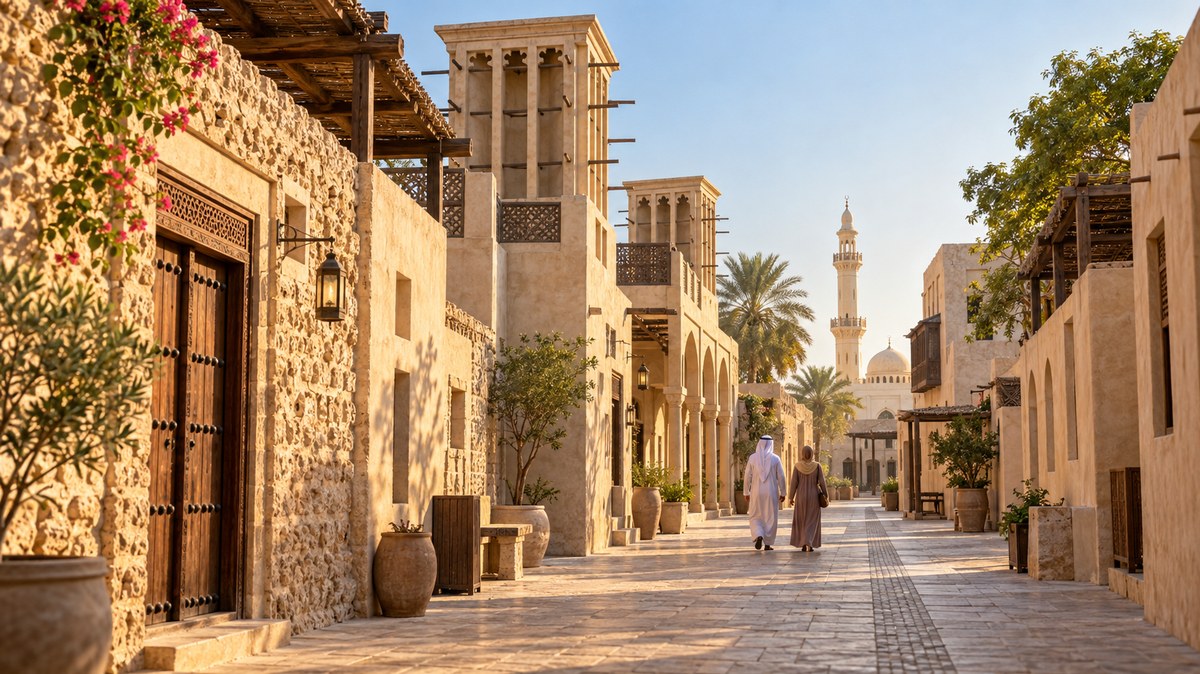
A short walk or a two minute drive from the Blue Souk takes you to Souk Al Arsah. This is one of the oldest markets in the UAE. It has been restored beautifully. The architecture features wooden beam ceilings, coral stone walls, and wind towers. The atmosphere here is hushed and curated.
What to buy:
– Antiques and vintage items. Look for old coffee pots, brassware, and traditional weapons.
– Handicrafts and embroidery. This is a good spot for authentic souvenirs.
– Pearl jewelry. The UAE has a deep pearl diving history. You can find both antique and modern pieces.
Pro tip: Photography is welcome here. The alleyways are very photogenic. Shopkeepers are often happy to explain the history of their items. This is a place for browsing, not for aggressive bargaining.
3. The Spice and Vegetable Souk
Head toward the Sharjah Creek. The spice souk is a sensory overload in the best way. It is smaller than the Blue Souk but packed with color and aroma. Sacks of dried limes (loomi), saffron threads, dried rose petals, and every spice you can name spill onto the walkway.
What to buy:
– Saffron. Buy from a reputable shop. Real saffron is expensive but a little goes a long way.
– Loomi (dried black lime). A staple in Emirati cooking.
– Cardamom and clove for tea or coffee.
– Dried fruits and nuts. Great for snacking as you walk.
Pro tip: Ask the vendor to show you how to use a spice you have never tried. Most are happy to give a quick cooking tip. This is also the best place to find inexpensive gifts for friends back home.
How to Plan Your Route: A Step by Step Process
Follow this numbered plan for a smooth afternoon in 2026.
- Start at 4:00 PM. The heat is easing. The Blue Souk is open. You have two hours before the evening rush.
- Spend 90 minutes at the Blue Souk. Focus on gold and perfume first. Walk the entire ground floor before buying anything. Compare prices.
- Walk or take a short taxi to Souk Al Arsah. It is about 800 meters. A taxi costs around 10 AED.
- Spend 45 minutes at Souk Al Arsah. This is a relaxed visit. Take photos. Talk to the antique dealers.
- Walk toward the creek. The spice souk is a five minute walk from Souk Al Arsah.
- Spend 30 minutes at the spice souk. Buy your spices and dried goods. Enjoy the sunset light over the water.
- End with dinner. There are small restaurants near the creek serving grilled fish and rice. A perfect end to the crawl.
What You Need to Know Before You Go
Here is a table that breaks down the key logistics for each souk.
| Souk | Best Time to Visit | Payment Style | Bargaining Rule |
|---|---|---|---|
| Central Souk (Blue) | 4:00 PM to 8:00 PM | Cards accepted in most gold shops; cash for small items | Bargain on gold making charges, not the gram rate |
| Souk Al Arsah | 5:00 PM to 7:00 PM | Cards accepted; cash preferred | Bargain gently on antiques; fixed prices on new crafts |
| Spice Souk | 5:30 PM to 7:30 PM | Cash is king | Bargain on bulk purchases; single packets are often fixed |
Expert advice: “Always start your bargaining at 50% of the asking price for non gold items,” says Ahmed Al Suwaidi, a third generation merchant at the Blue Souk. “The seller expects it. If you start too high, you will overpay. If you start too low, you can work up to a fair middle. Smile. Tea is often offered. Accept it. That builds trust.”
What to Avoid on Your Souk Crawl
A few common mistakes can ruin the experience. Keep these in mind.
- Rushing. Each souk deserves time. Do not try to visit five markets in one evening.
- Forgetting cash. Many small spice vendors do not have card machines. ATMs are available but charge a fee.
- Wearing inappropriate shoes. You will walk a lot. Sandals with good grip are fine. Heels are a bad idea.
- Taking photos without asking. Always ask before snapping a photo of a shopkeeper or their goods. Most say yes, but respect a no.
- Buying the first thing you see. Compare similar items across three stalls before committing. Prices vary.
For a deeper look at local life, read our guide on how to experience Sharjah like a local in 2026. It pairs well with this crawl.
Packing List for Your Afternoon Crawl
Keep your bag light. Here is what to bring.
- A reusable water bottle. Stay hydrated.
- A small notebook or phone notes app. Jot down prices to compare.
- Cash in small denominations. 50 AED notes and 20 AED notes work best.
- A light scarf. Useful if you enter a mosque or want to cover your shoulders in a traditional area.
- Your bargaining smile. It is your best tool.
If you are staying overnight, check out top boutique hotels in Sharjah for a unique stay experience to find a place that matches the cultural vibe.
Making the Most of Your Evening
The magic of a souk crawl happens as the sun sets. The Blue Souk lights up. The call to prayer echoes from nearby mosques. Families stroll along the creek. This is when Sharjah feels most alive.
After your crawl, consider a short walk along the water. The Sharjah Aquarium and the Al Qasba area are nearby. You could also take a traditional abra (water taxi) across the creek for a different view. It costs just a few dirhams.
For those who want to extend their cultural day, our guide on explore the best cultural experiences in Sharjah for first-time visitors offers more ideas for the next day.
Your Sharjah Souk Crawl 2026 Checklist
Use this bulleted list as your final reference.
- Confirm the Blue Souk opening hours for your visit date. They vary slightly during Ramadan and public holidays.
- Download a taxi app or note the number for a local taxi service.
- Set a budget for gold and another for souvenirs. Stick to both.
- Learn a few Arabic phrases. “Shukran” (thank you) and “Kam?” (how much?) go a long way.
- Wear light, modest clothing. Sharjah is more conservative than Dubai.
- Have a backup plan for dinner. The creek area has good options.
Tying It All Together for a Memorable Visit
A Sharjah souk crawl in 2026 is more than a shopping trip. It is a cultural immersion. You walk the same paths that pearl merchants and spice traders walked a century ago. You smell the same aromas. You hear the same clink of gold being weighed. The city has modernized, but the soul of the market remains.
Start at the Blue Souk for the grand experience. Move to Souk Al Arsah for the heritage. Finish at the spice market for the flavors. Take your time. Talk to the people. Let the crawl unfold at its own pace. You will leave with more than bags of spices and a gold pendant. You will leave with a story.
For more inspiration on what to do with your time in the emirate, take a look at 7 unforgettable walking tours to discover Sharjah’s heart. It might give you ideas for your next visit.
Now get out there, practice your bargaining, and enjoy the best traditional shopping experience the UAE has to offer.